Hot Tub Jets Weak or Not Working: What to Check
What the spa makers' manuals say to check when hot tub jets go weak, surge or stop: the water level, filter, pump speed, air controls, valves and airlocks.
Topic
Find the symptom, follow the tree, rule out the cheap causes before you spend money.
38 guides on this topic

What the spa makers' manuals say to check when hot tub jets go weak, surge or stop: the water level, filter, pump speed, air controls, valves and airlocks.

Why a suction or pressure-side pool cleaner stalls, sticks or circles, the speed test each maker gives, and the parts that really do wear out.

Chlorine reading high? Make sure the test isn't lying, stop whatever is feeding it, and let the sun do the work. When a neutralizer is worth using.

How a pool pump fails to start tells you where to look. Silent, humming, tripping the breaker or GFCI, or shutting off hot: what each means and what to check.

A puff after recharging is normal. Powder that keeps coming is often too much DE, not a torn grid. What the makers say, where it gets in, and the fix.

A cracked lateral is the usual answer, but not the only one. How to tell filter sand from plaster grit, what the makers' troubleshooting says, and the fix.

Water between the motor and pump body is the shaft seal, and it can't wait. The lid, the middle joint, the ports and the drain plugs each mean something else.

Most dead salt cells are not dead. The flow switch, cold water, a salt reading that lies, and a controller set to the wrong cell — in the order to check them.

Most dead pool lights are the GFCI, the bulb, or normal color-cycling mistaken for a fault. The order to check, and where to stop.

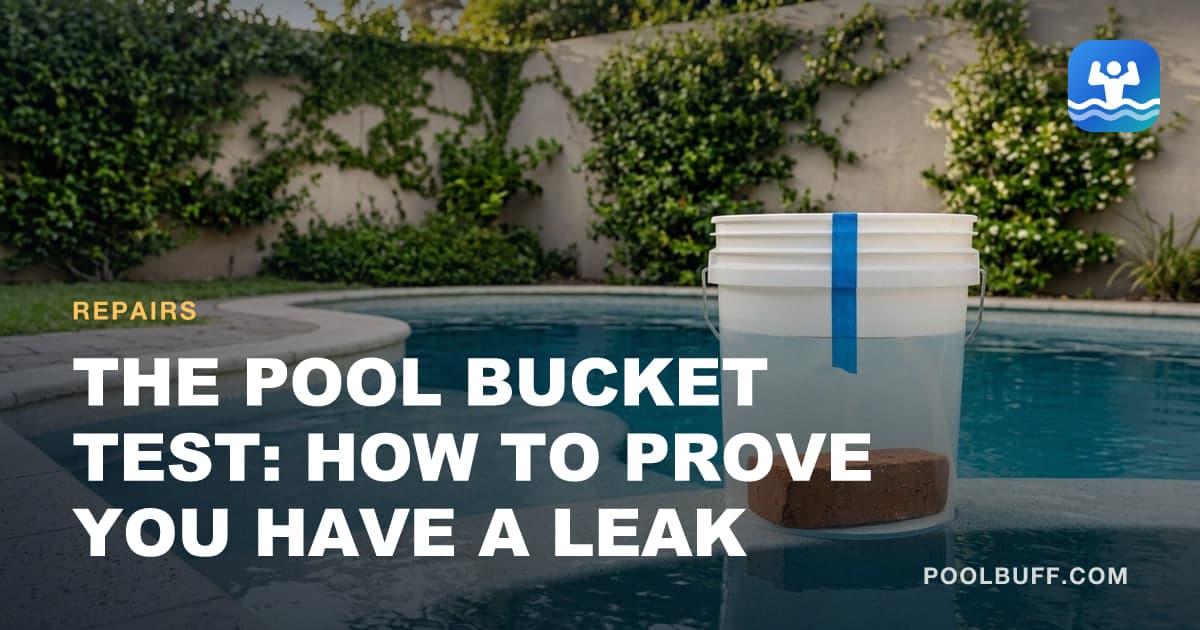
The free 24-hour test that separates a real leak from ordinary evaporation, the five things that quietly invalidate it, and how to read the answer.

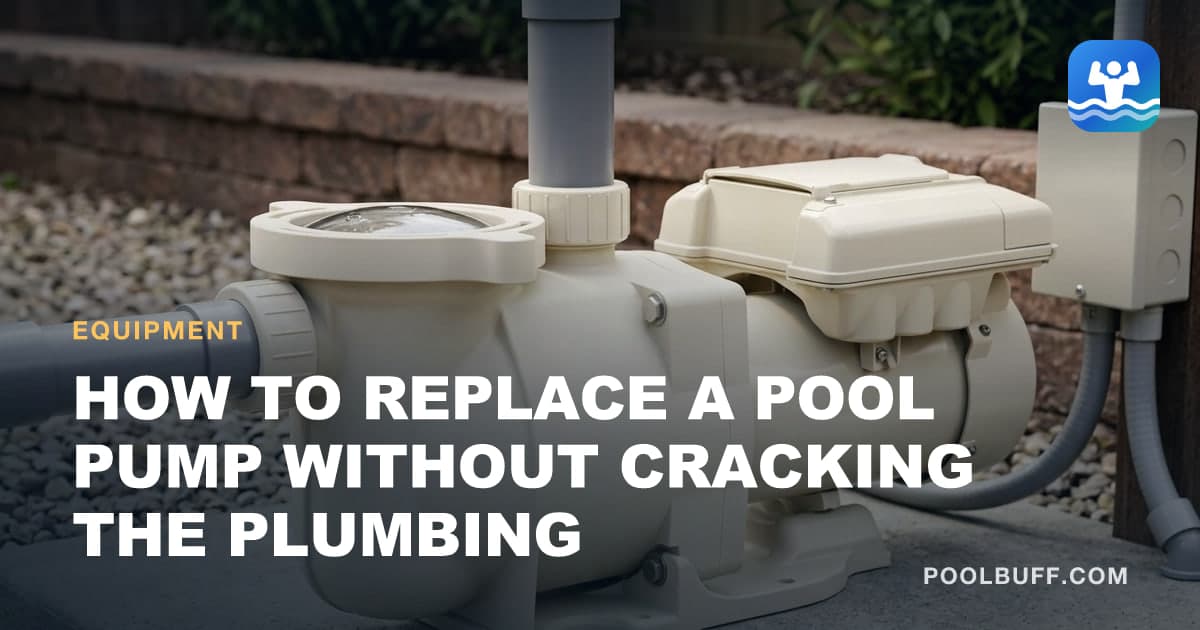
Whether you need a whole pump or just the motor, the port size that catches people out, and the two mistakes that turn a two-hour job into a plumbing repair.

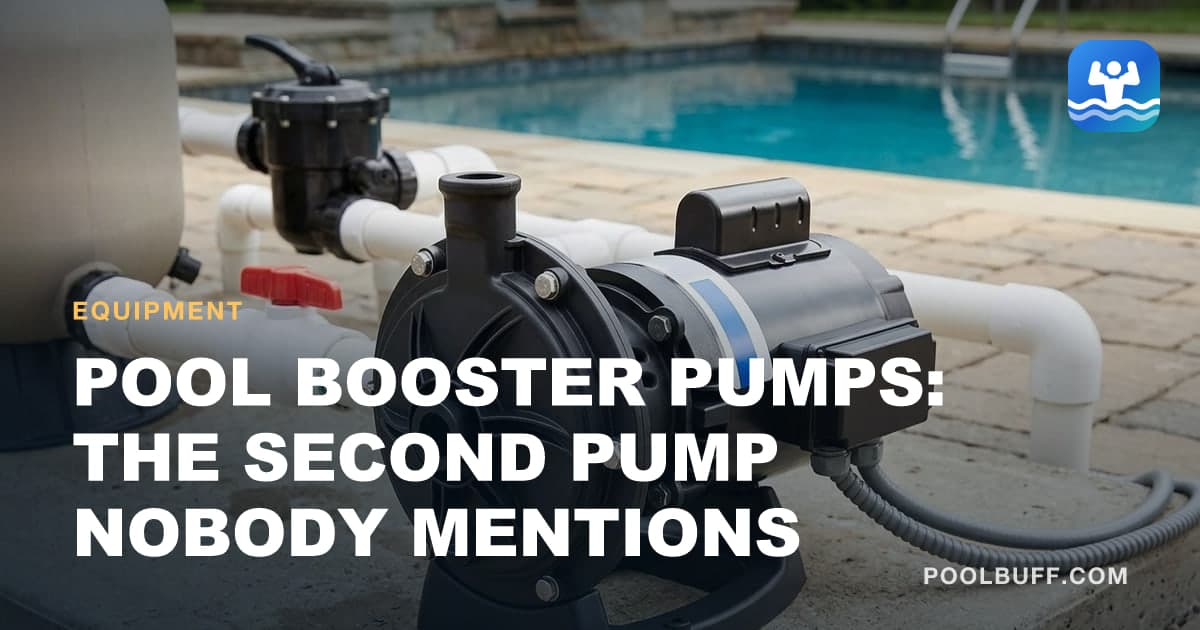
A pressure cleaner needs a second pump running just for it. What it adds to the bill, the wiring rule that decides its life, and how a dying one sounds.

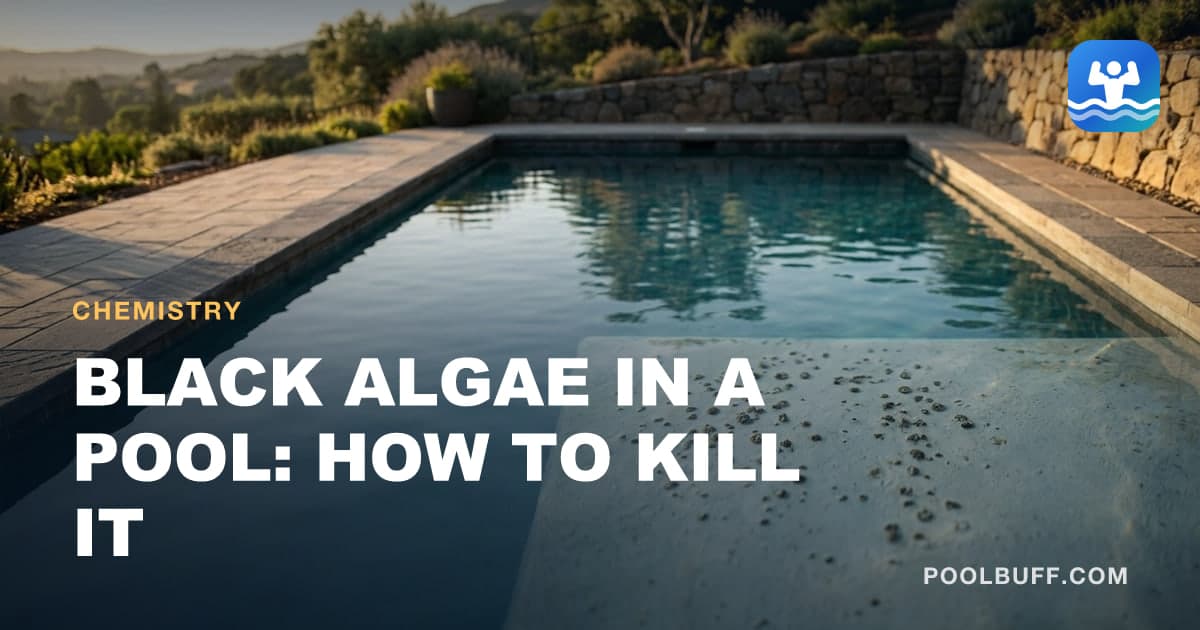
It is not algae, it has roots, and it builds a shell over itself. Why chlorine alone never touches it, and the brushing protocol that actually clears it.

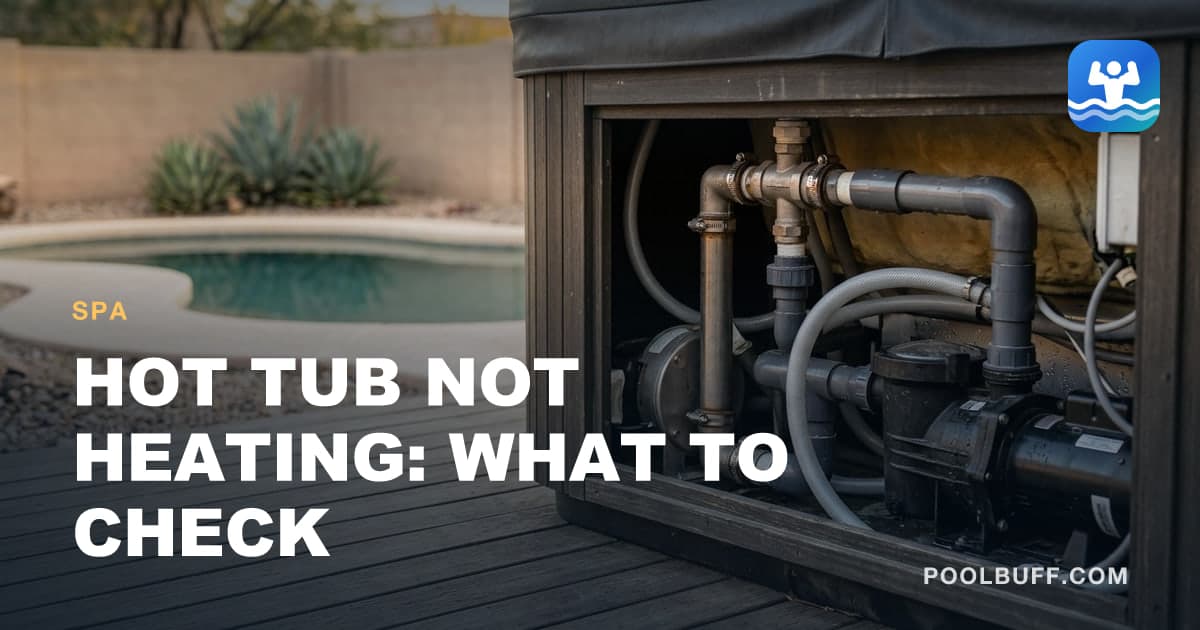
What the spa makers' manuals say to check when a hot tub won't heat: settings, power, flow, the high-limit and the cover, and where it stops being your job.

It is a water problem before it is a skin problem. What lets the bacteria survive a hot tub, and the sanitizer habits that stop it recurring.

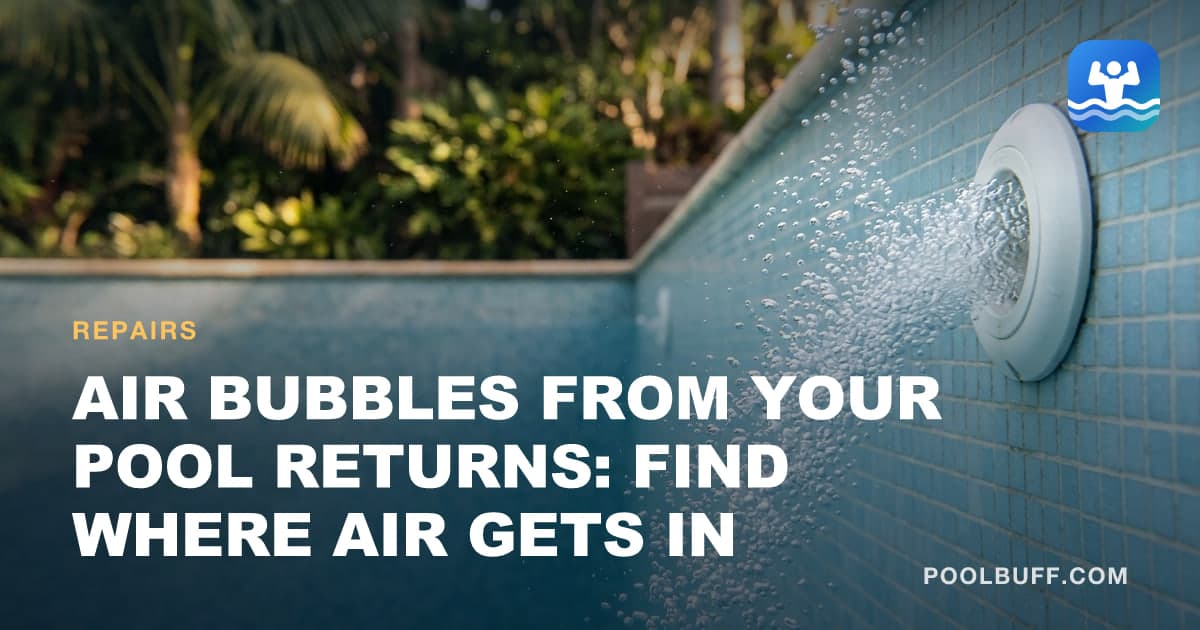
Bubbles blowing from the jets mean air is being sucked in before the pump. Here's the order to check, from a free fix to the expensive one.

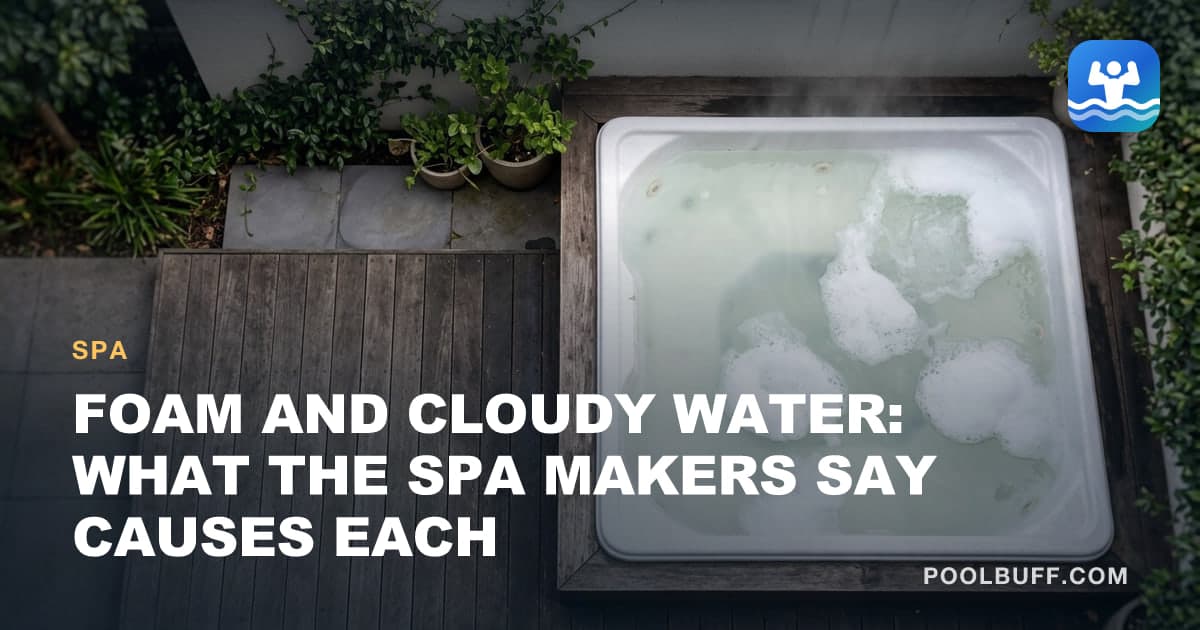
Why hot tubs foam and why they go cloudy, from the spa makers' own manuals, and how to find which cause you have before you buy another bottle of something.

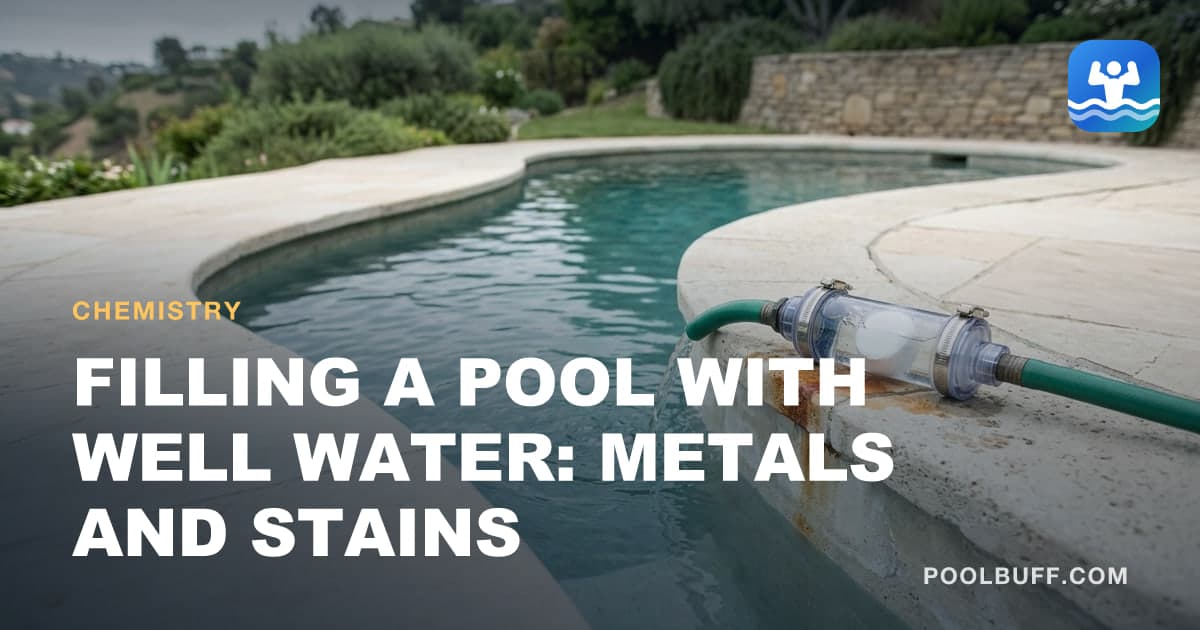
Iron, copper and manganese ride in on the fill water and stain the pool the moment you chlorinate. How to test first, and what a sequestrant cannot do.

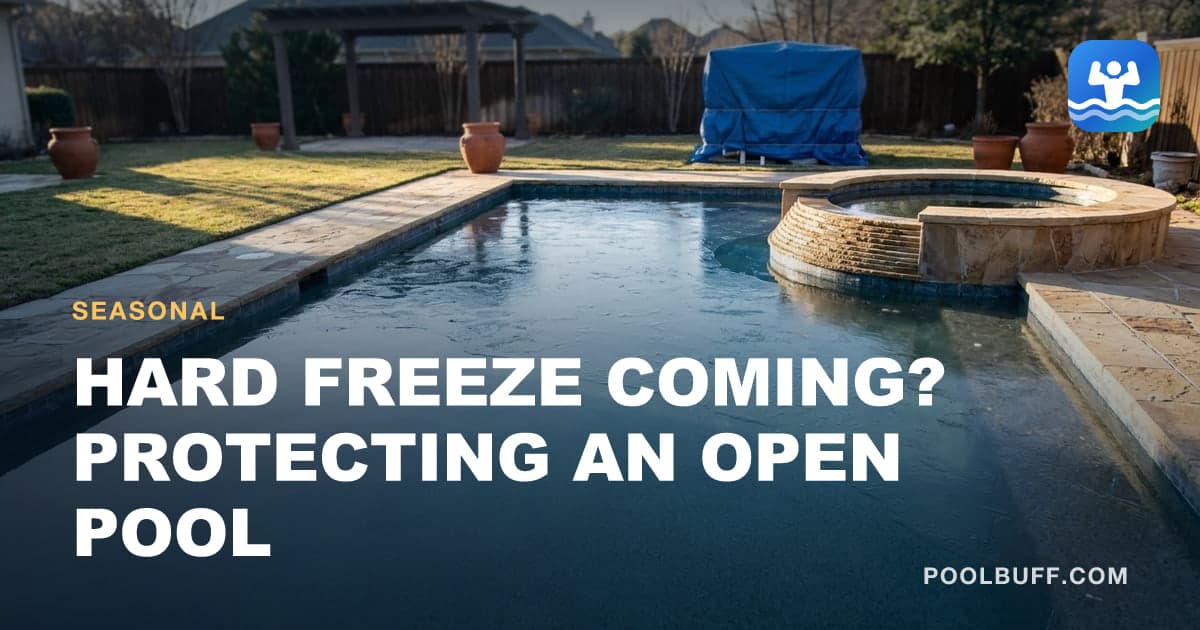
Moving water is the whole strategy, right up until the power fails. What to do while the pump runs, and what to do the moment it stops.

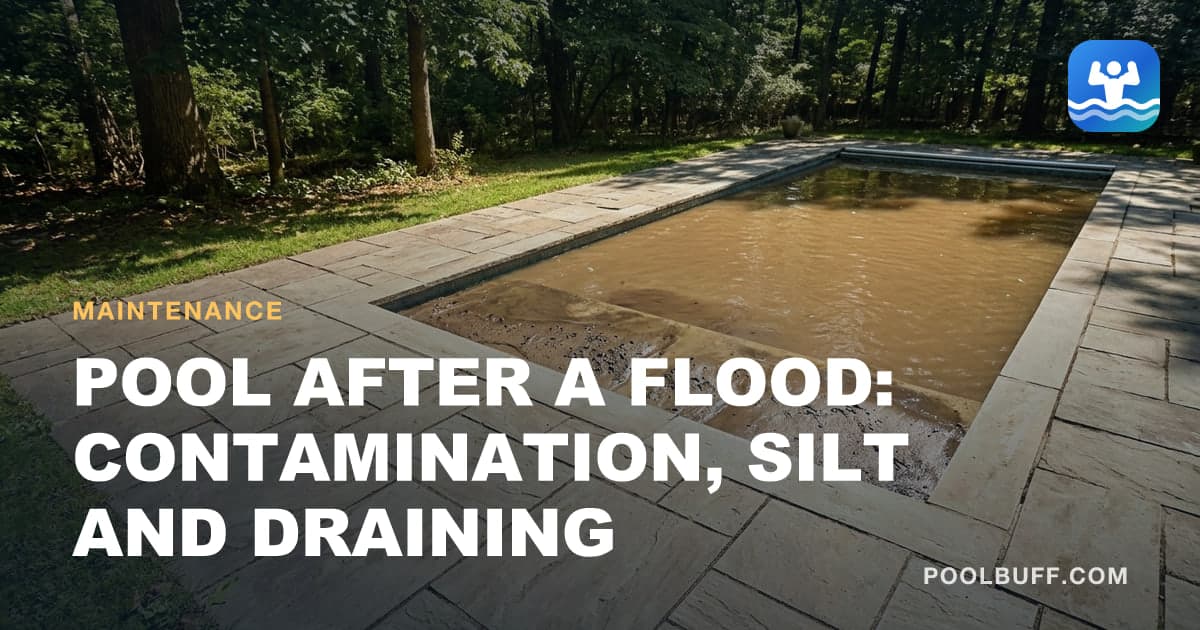
Floodwater is a health problem, not a chemistry problem. What to do first, what to replace, and why the pool stays full while the ground is saturated.

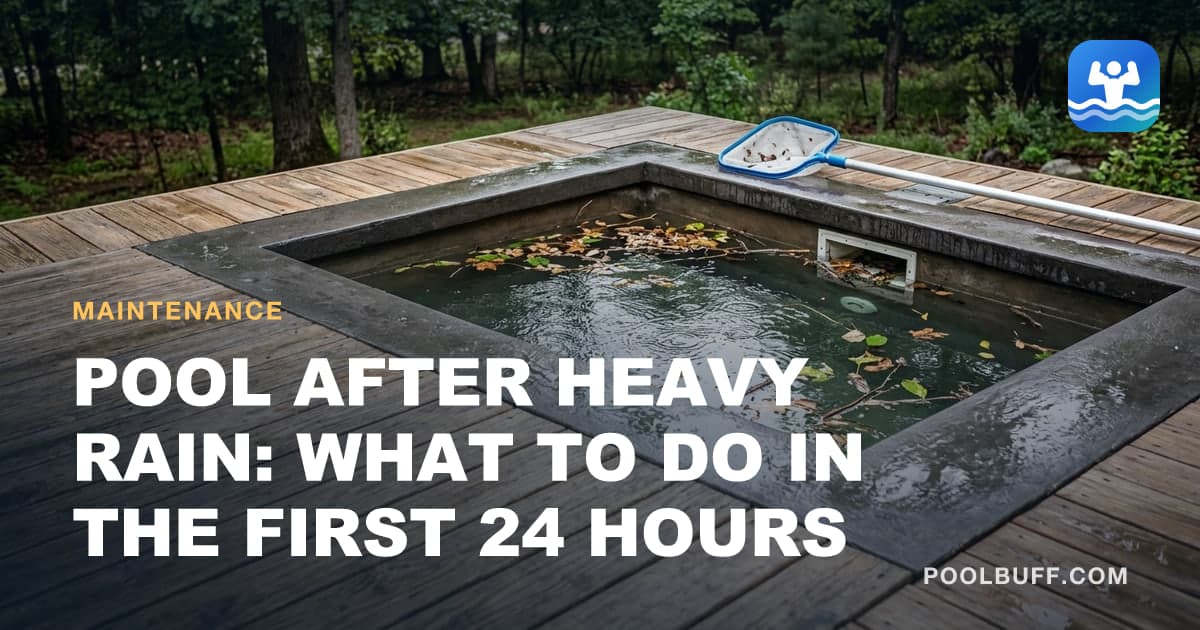
Rain dilutes your chemistry and dumps organic load in at the same time. The order to work through, and the one thing to do before the storm arrives.

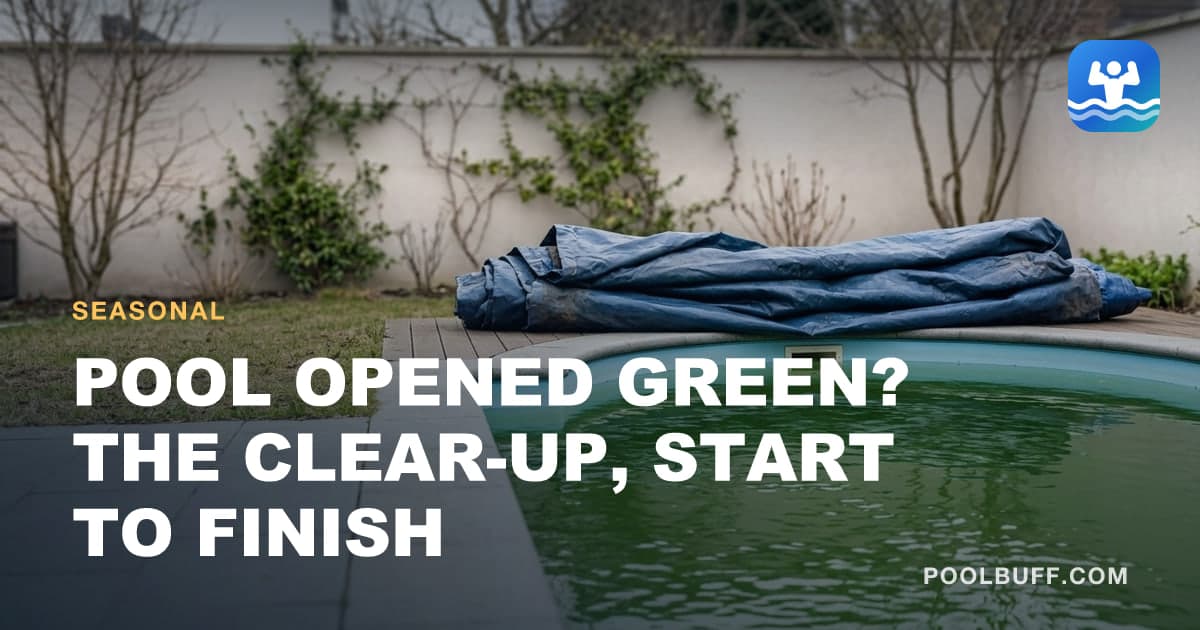
Green at opening is a shock-and-hold job on a clock, not an algaecide problem. The sequence, realistic timings, and when refilling beats treating.

Chlorine gone by morning means something is consuming it. The overnight test that tells you what, and why ammonia is the one that needs a shocking dose.

Won't climb, stops mid-cycle, misses half the pool or won't power on at all. What each symptom actually means, and the cheap causes to rule out first.

Why a skimmer stops pulling, where the air is getting in, and how to tell a cracked skimmer from a leaking faceplate before you start digging.

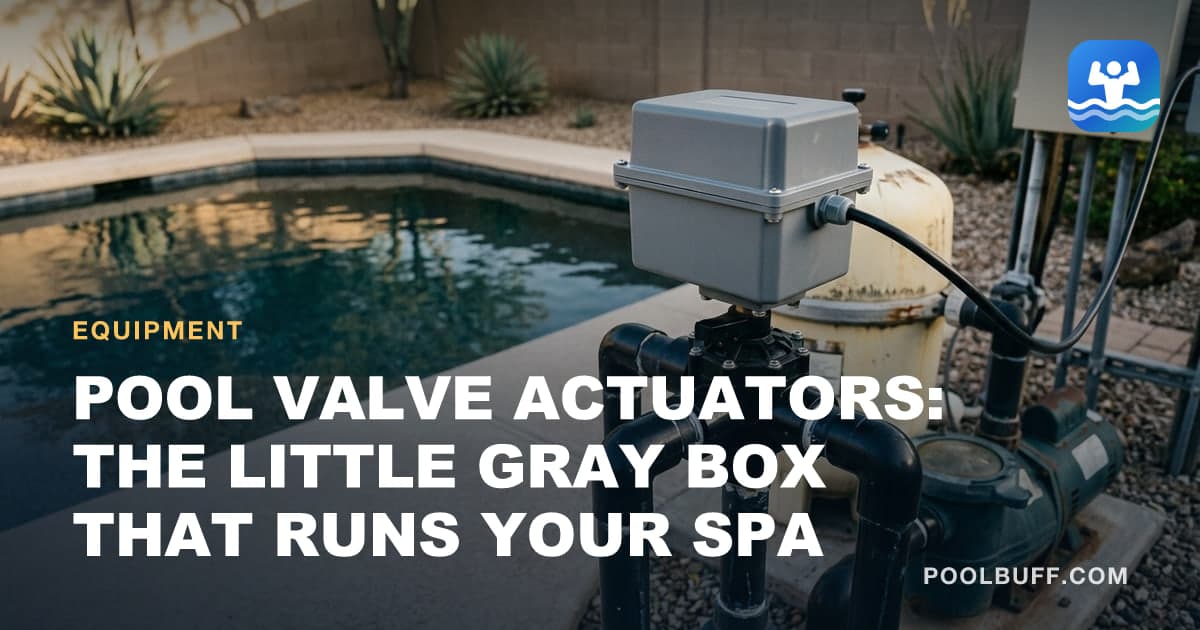
What a pool valve actuator does, how to set the travel and cams so it stops in the right place, and how to tell a dead actuator from a dead relay.

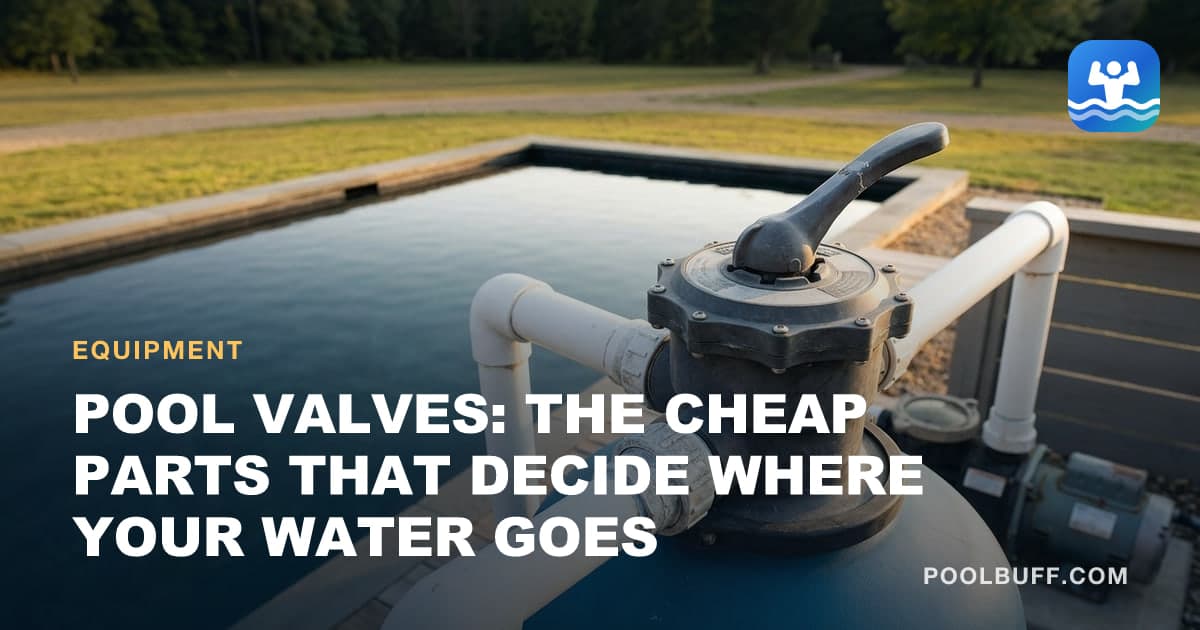
What every valve on a pool does, which handle position means what, and the one move that destroys a multiport valve — plus how to spot one failing.

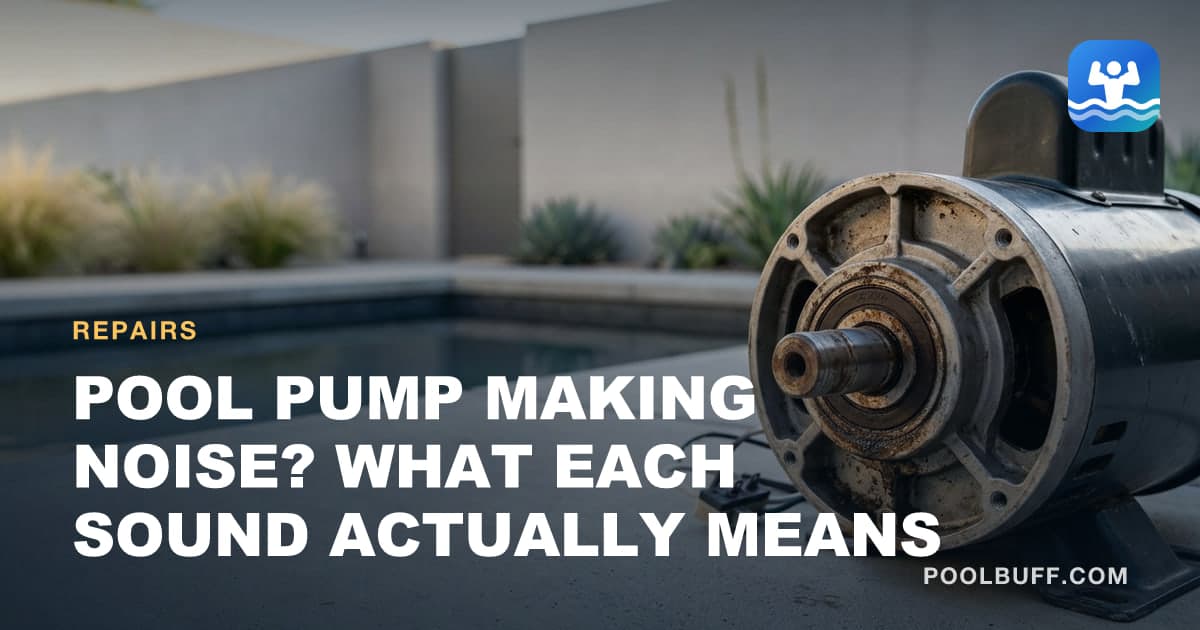
Grinding, screeching, rattling and gravel-in-a-bucket all point at different failures. Here's how to tell them apart before something expensive breaks.

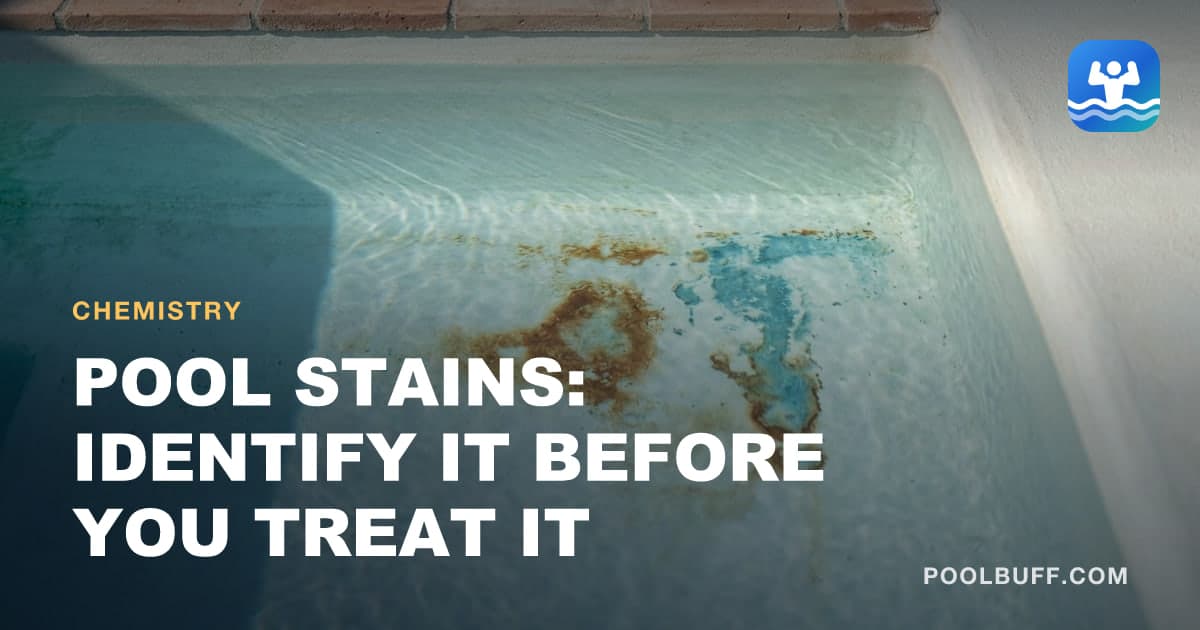
Metal stains, organic stains and scale all look similar and need completely different treatments. Here's how to tell them apart.

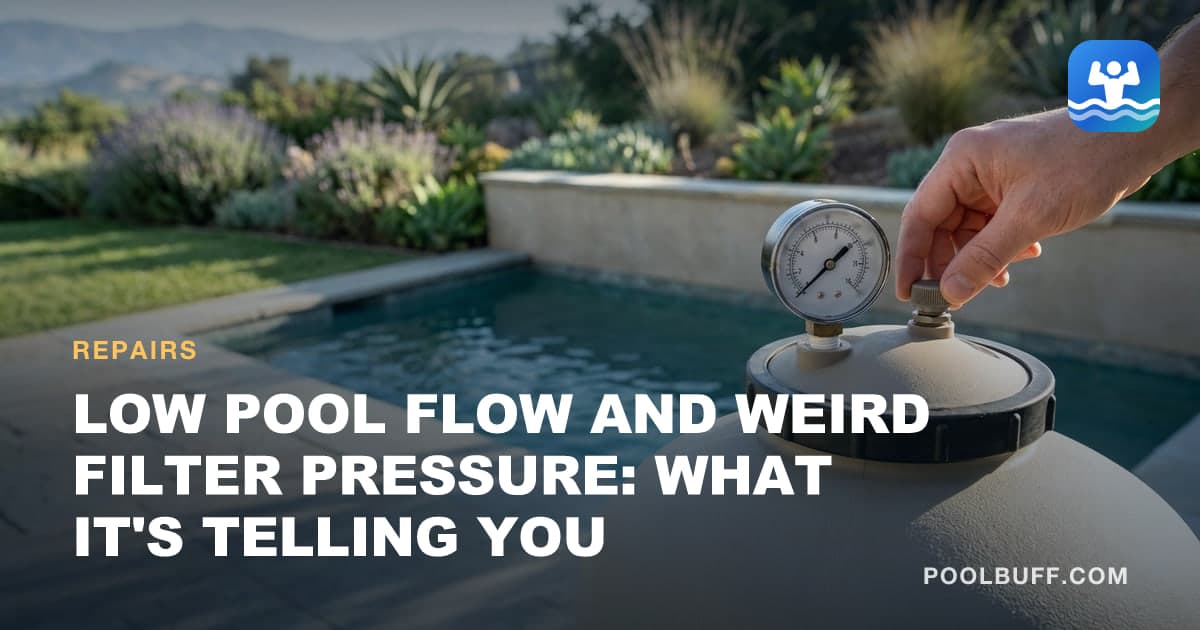
High pressure and low pressure mean opposite things. Here's how to read your gauge and find the restriction.

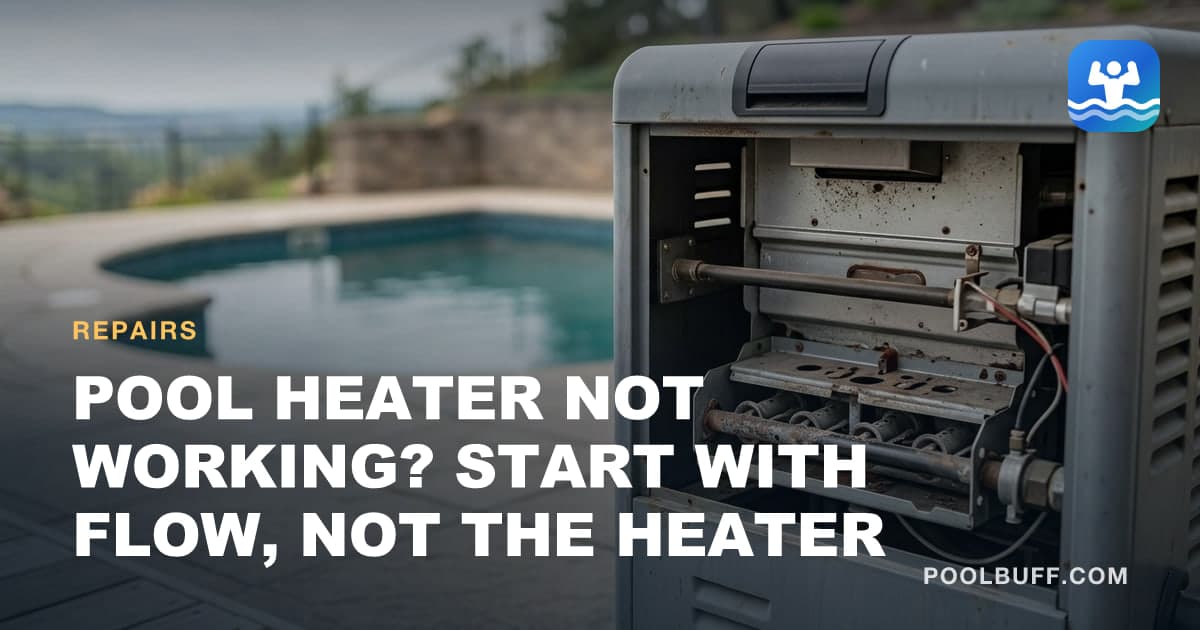
Most heater faults are flow problems, gas supply problems or a dirty sensor. Here's the order to check things, and where to stop and call a pro.

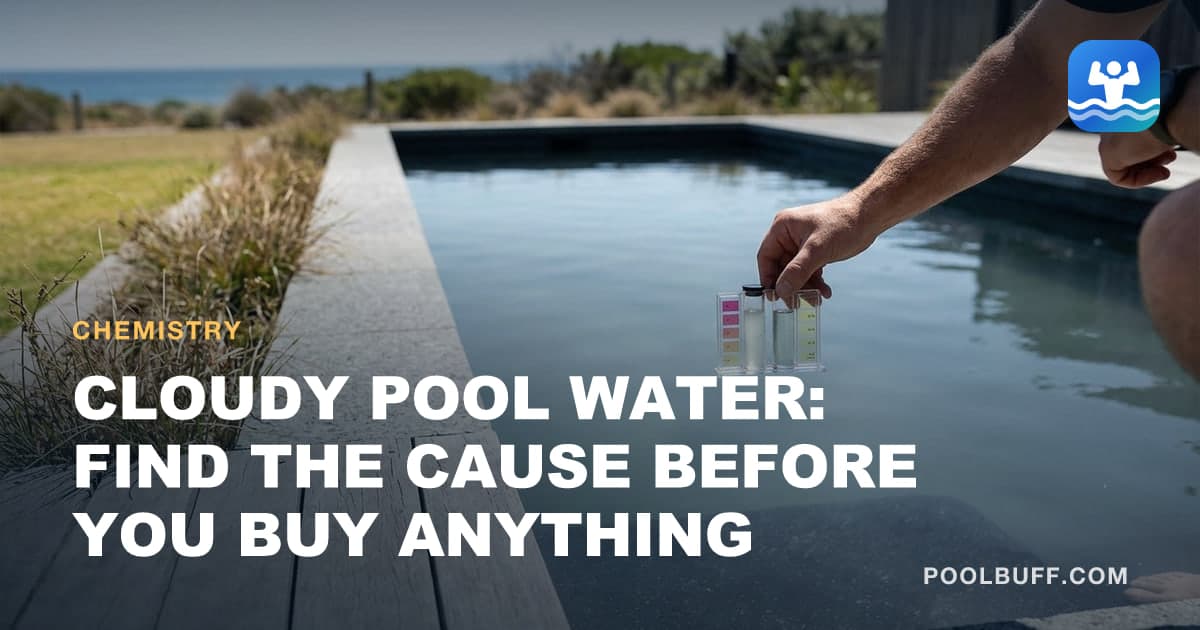
Six things turn pool water cloudy and only one of them needs clarifier. Work through them in this order and you'll fix it in a day instead of two weeks.

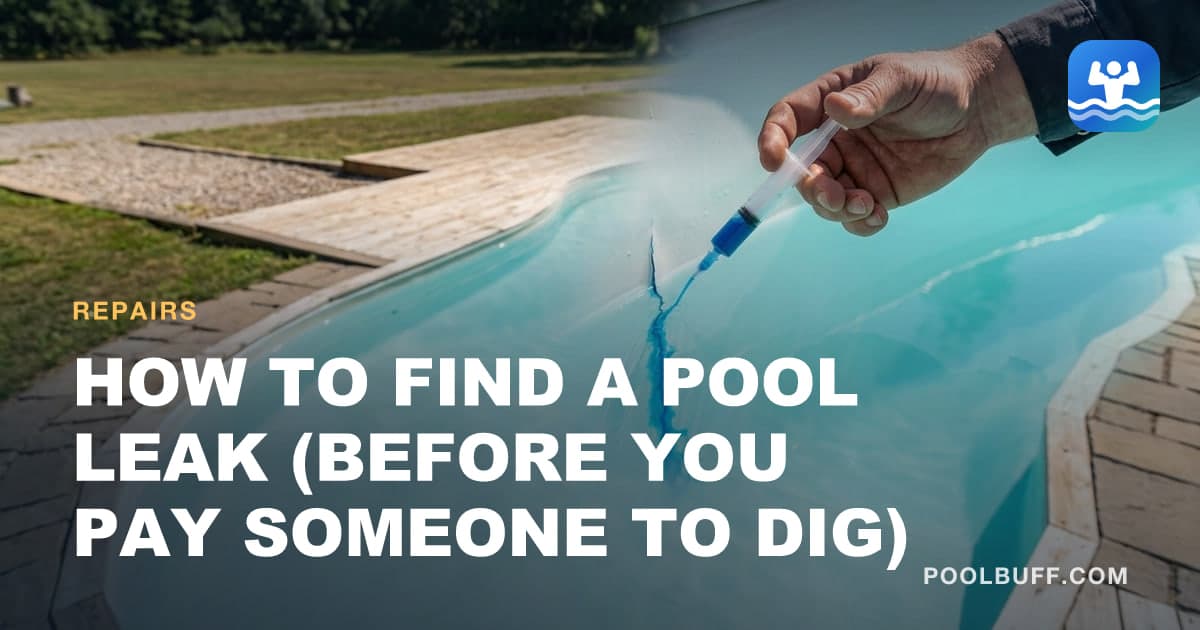
Bucket test, dye test, and how to tell a plumbing leak from a shell leak. Most suspected leaks turn out to be evaporation.

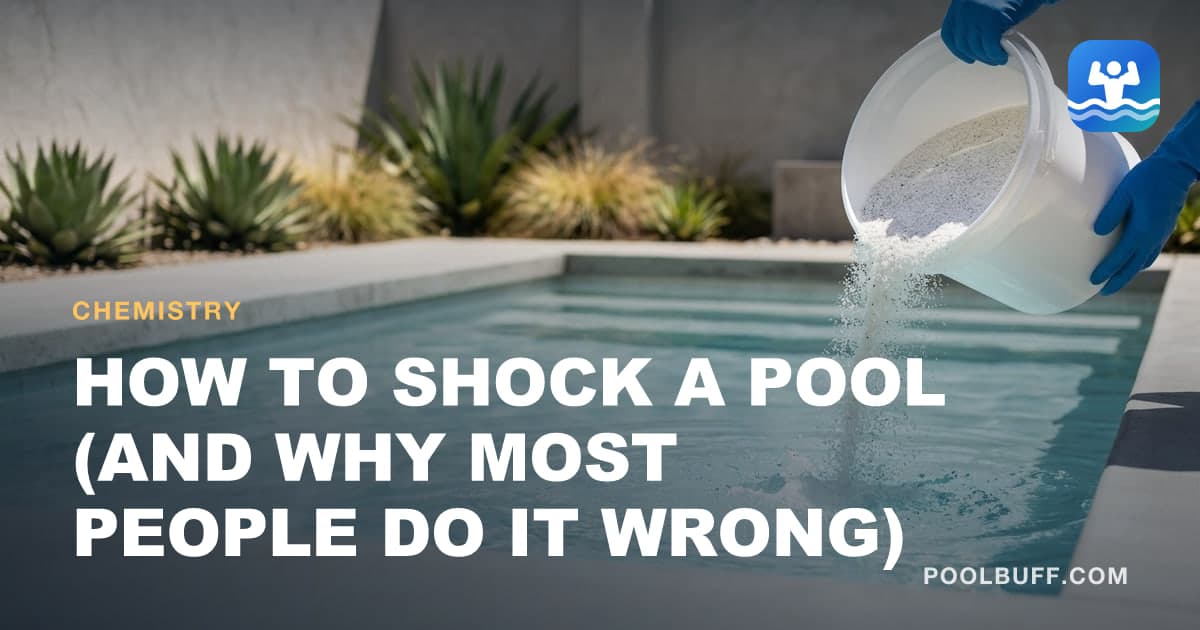
Shock isn't a product, it's a level. Here's how to work out the right target for your pool, how much to add, and why the bag instructions fail so often.

Four types of pool algae, four different fights. How to identify what you've got, kill it properly, and stop it coming back in three weeks.

What CYA actually does to your chlorine, why 30-50 ppm is the sweet spot, and how to bring it down when tablets have run it up to 100.

How to size a pool pump properly using turnover and head, why oversized pumps are the industry default, and what variable speed changes.

A proper diagnostic tree for a pump that won't prime or won't hold prime. Cheapest causes first, with the tests that actually find the air leak.