FeaturedEquipment
Pool Pump Sizing: Why Bigger Is Almost Always Wrong
How to size a pool pump properly using turnover and head, why oversized pumps are the industry default, and what variable speed changes.
9 min readUpdated Sep 24, 2026
The equipment pad is where the money is. Size a pump wrong and you pay for it every month; pick the wrong filter and you fight the water all season.
We explain what each piece of equipment does, how to size and select it for your specific pool, and which upgrades pay for themselves versus which ones are just nice to own.
18 guides in this section
Start here
If you only read one page in this section, make it this one. Everything else here builds on it.
How to size a pool pump properly using turnover and head, why oversized pumps are the industry default, and what variable speed changes.
Everything published on equipment, newest first.
How inline and offline tablet chlorinators work, where they go in the plumbing, what the dial means, and the two mistakes that ruin heaters or start fires.
What switching from a single-speed pump really saves, what federal rules now let you buy, and when a new motor beats a whole new pump.
Whether you need a whole pump or just the motor, the port size that catches people out, and the two mistakes that turn a two-hour job into a plumbing repair.
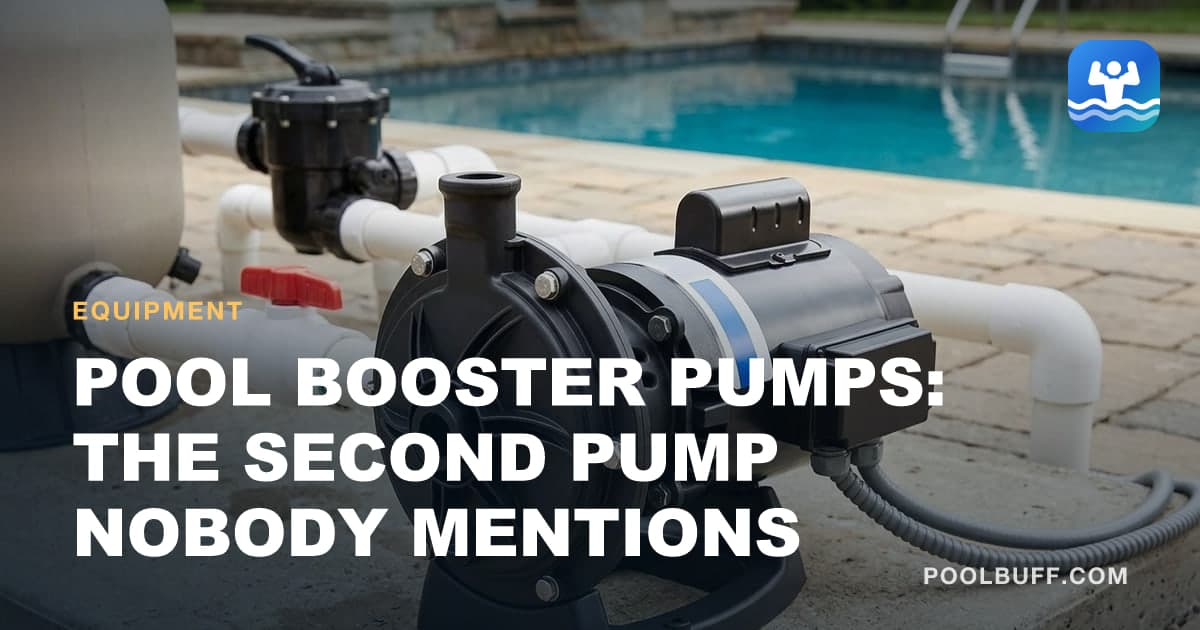
A pressure cleaner needs a second pump running just for it. What it adds to the bill, the wiring rule that decides its life, and how a dying one sounds.
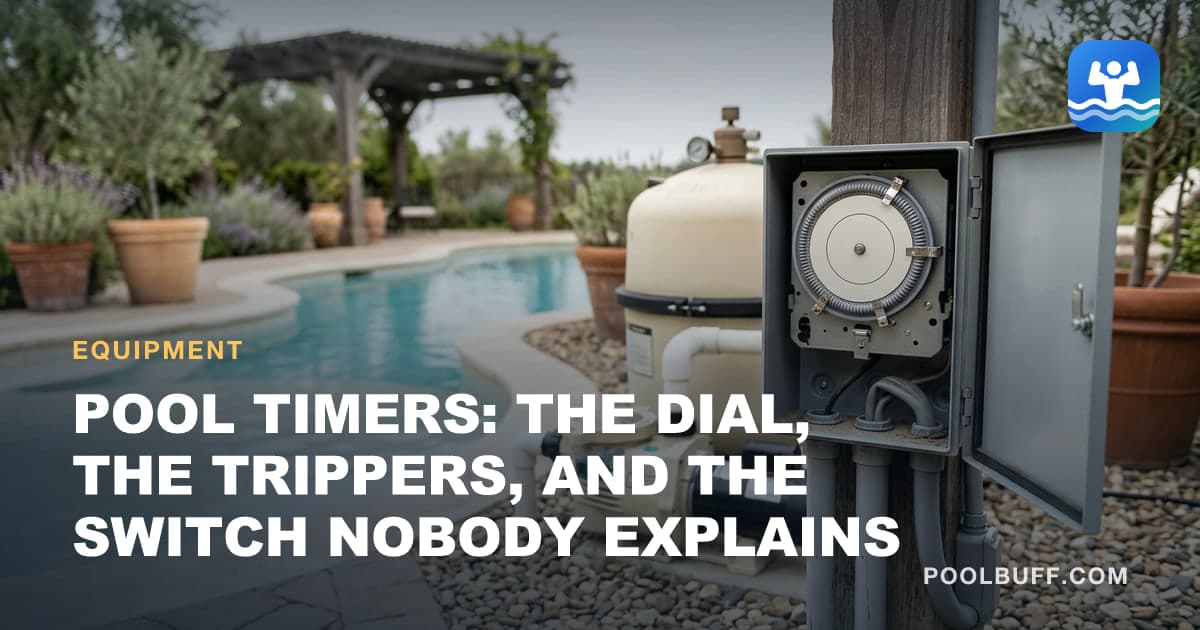
Setting a mechanical pool timer properly, what the fireman's switch does, what fails first, and why a variable-speed pump usually should not be on one.
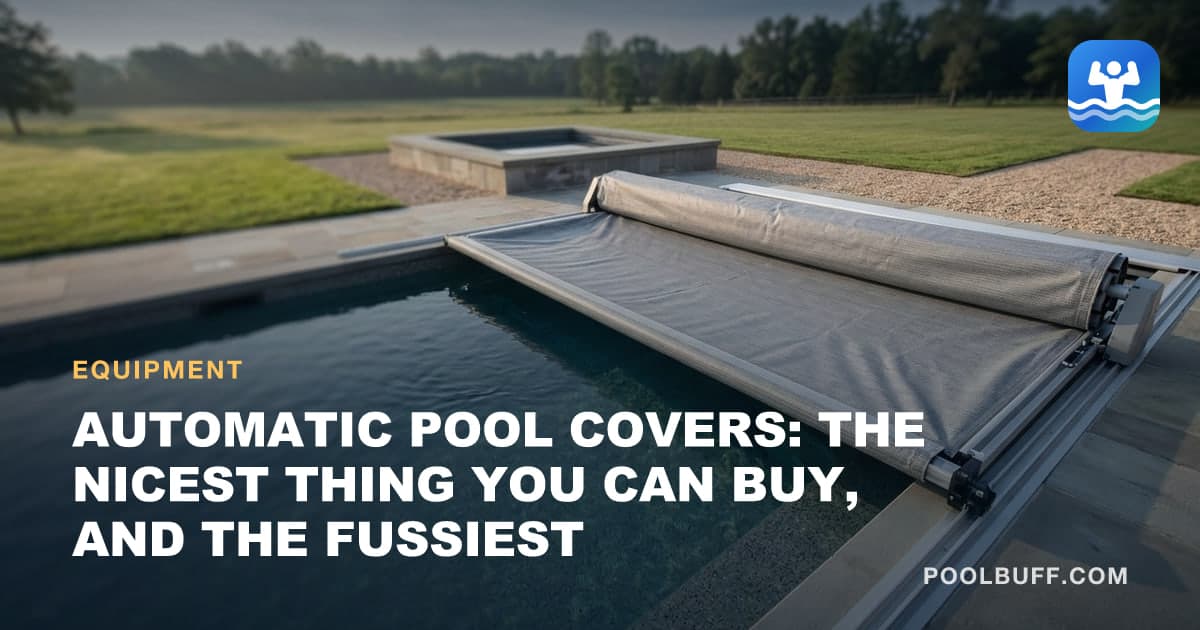
What automatic pool covers cost, how the tracks, ropes and drum work, what the makers' warranties cover, what wears out, and when one is a safety cover.
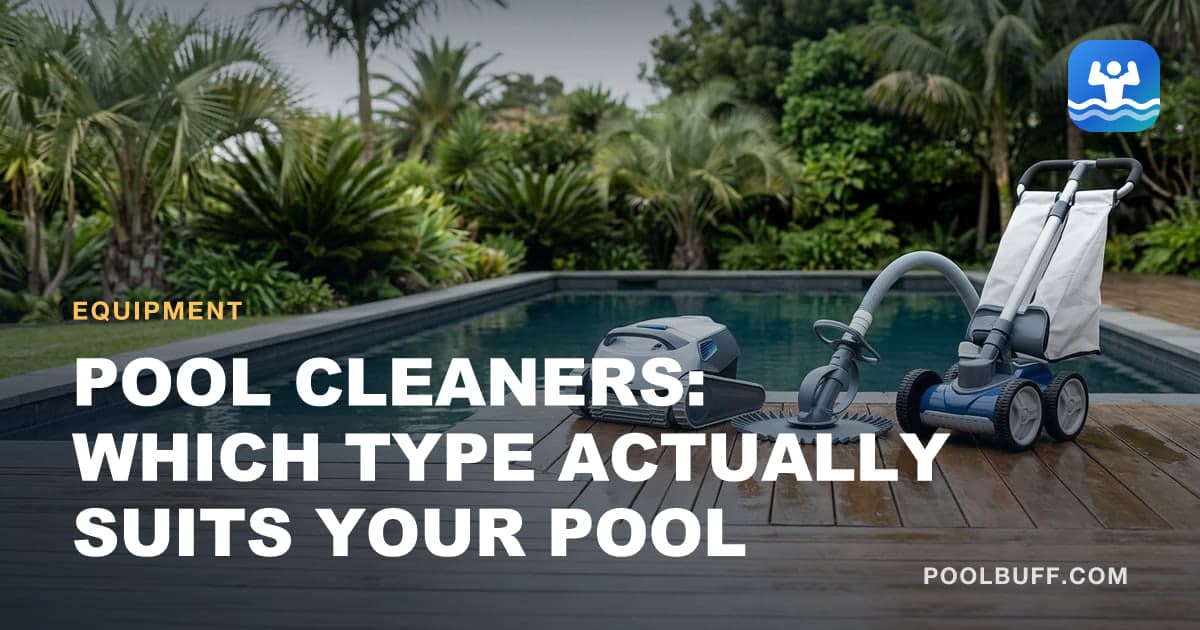
How suction, pressure and robotic pool cleaners really differ on debris, running cost and what they do to your filter. Plus which one fits which pool.
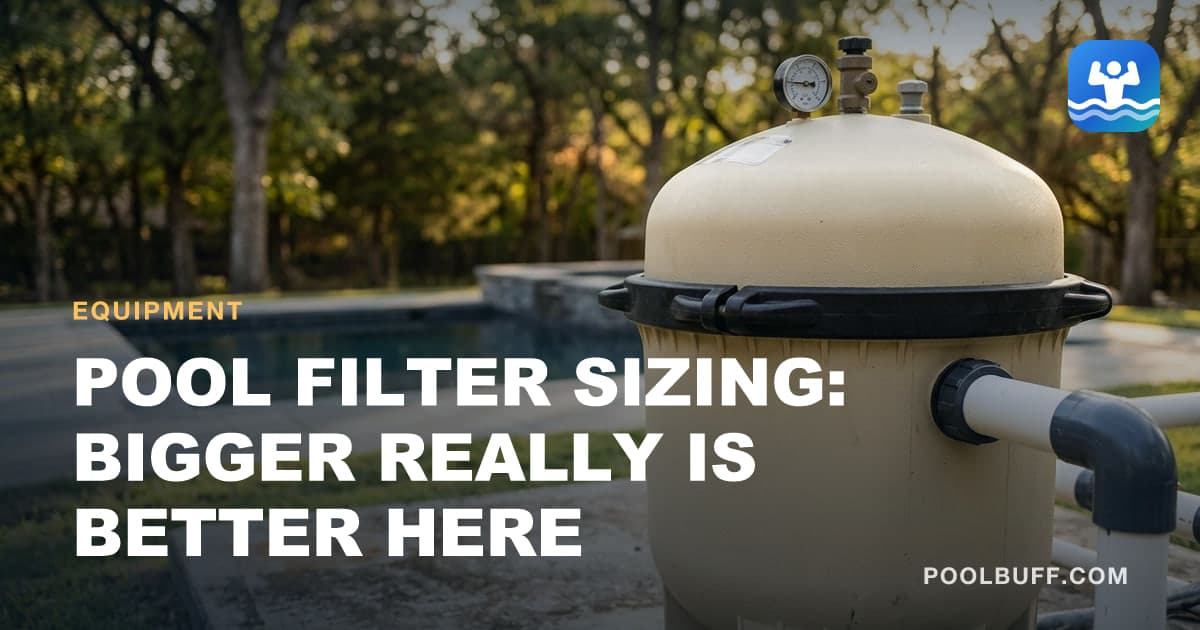
How to size a pool filter to your pump rather than your pool, what square footage buys you, and why oversizing a filter is nothing like oversizing a pump.
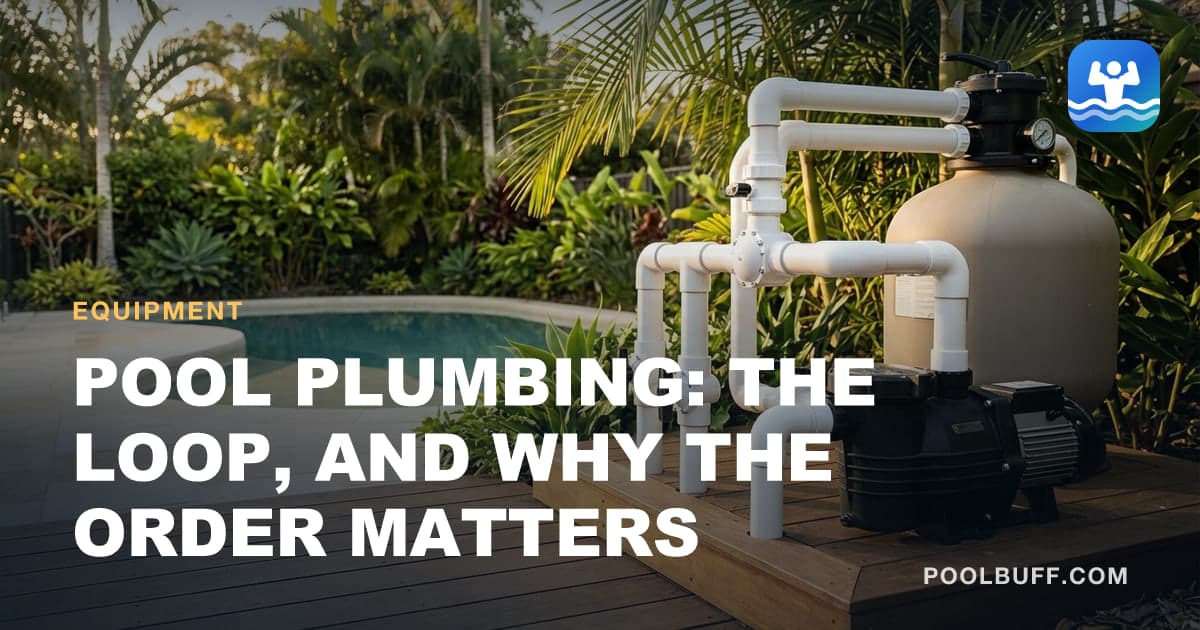
The circulation loop from skimmer to return, why suction and pressure leaks look nothing alike, and the equipment order that protects your heater.
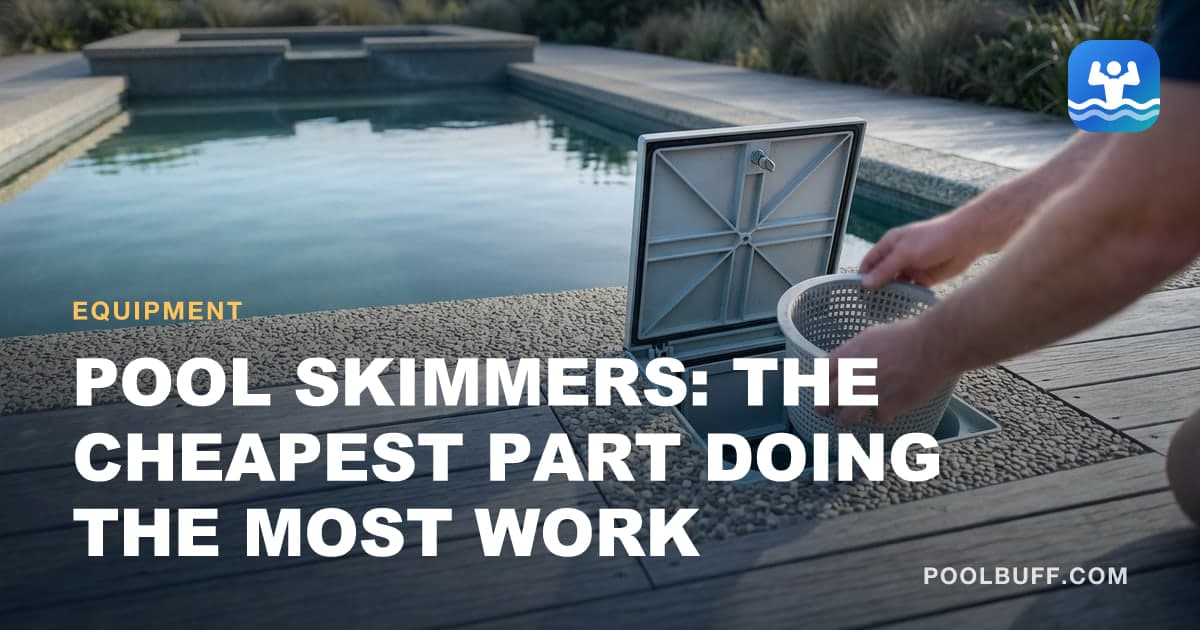
Every part of a pool skimmer explained, why water level decides whether it works at all, and what the equalizer line at the bottom is really for.
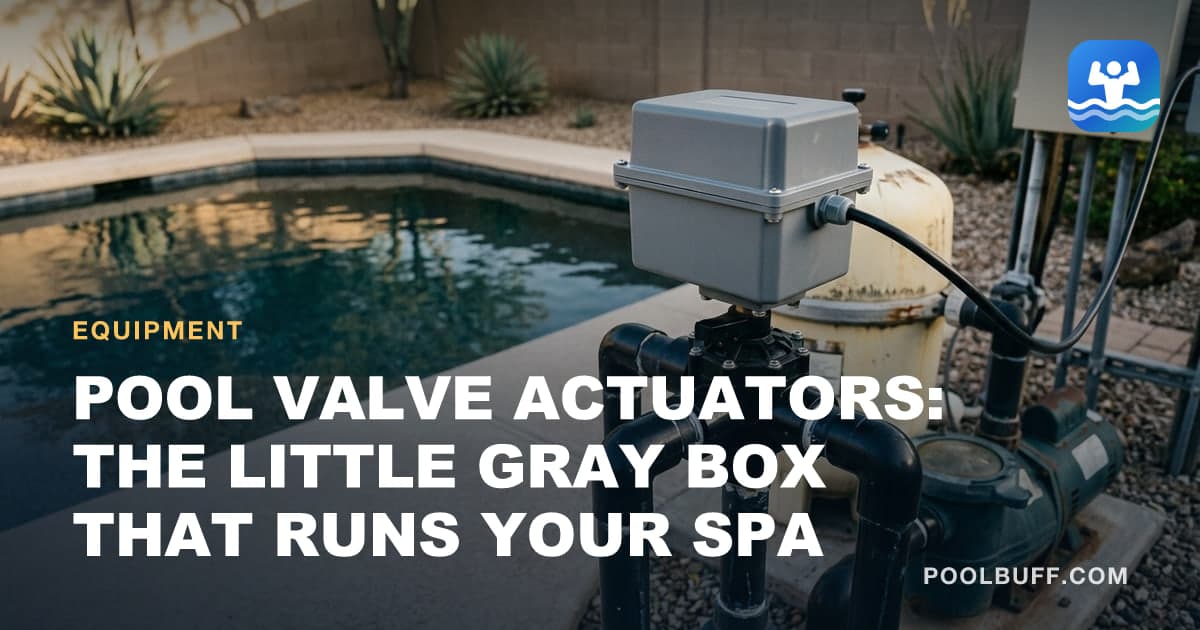
What a pool valve actuator does, how to set the travel and cams so it stops in the right place, and how to tell a dead actuator from a dead relay.
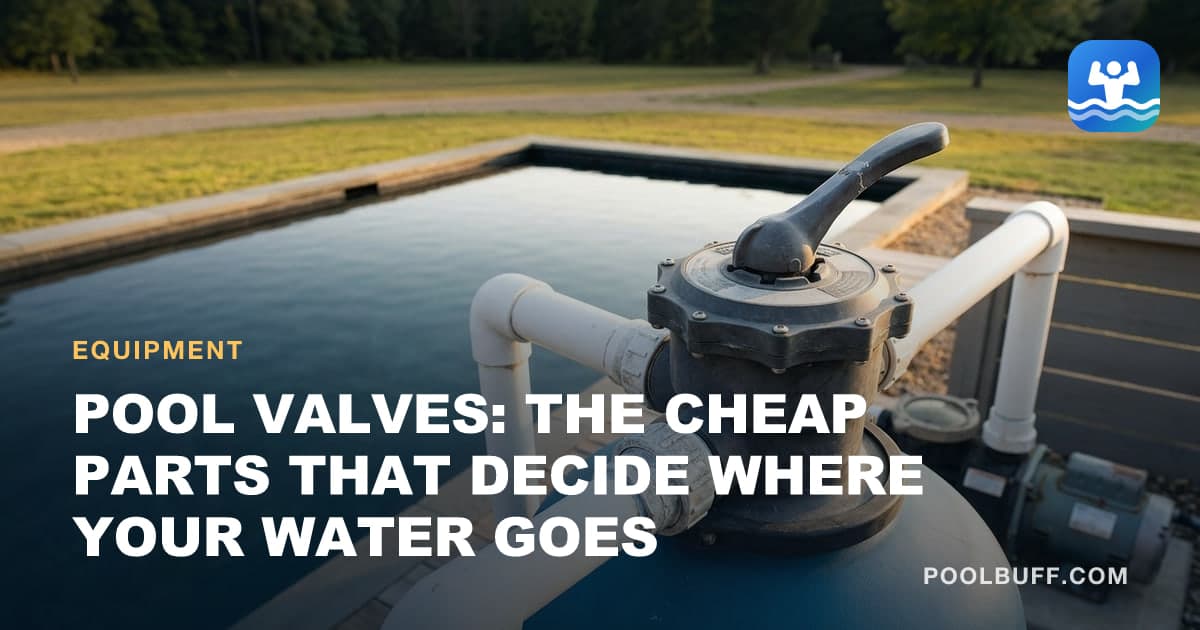
What every valve on a pool does, which handle position means what, and the one move that destroys a multiport valve — plus how to spot one failing.
Why LED conversion pays for itself, what color systems actually give you, and the electrical rules that make this a licensed job.
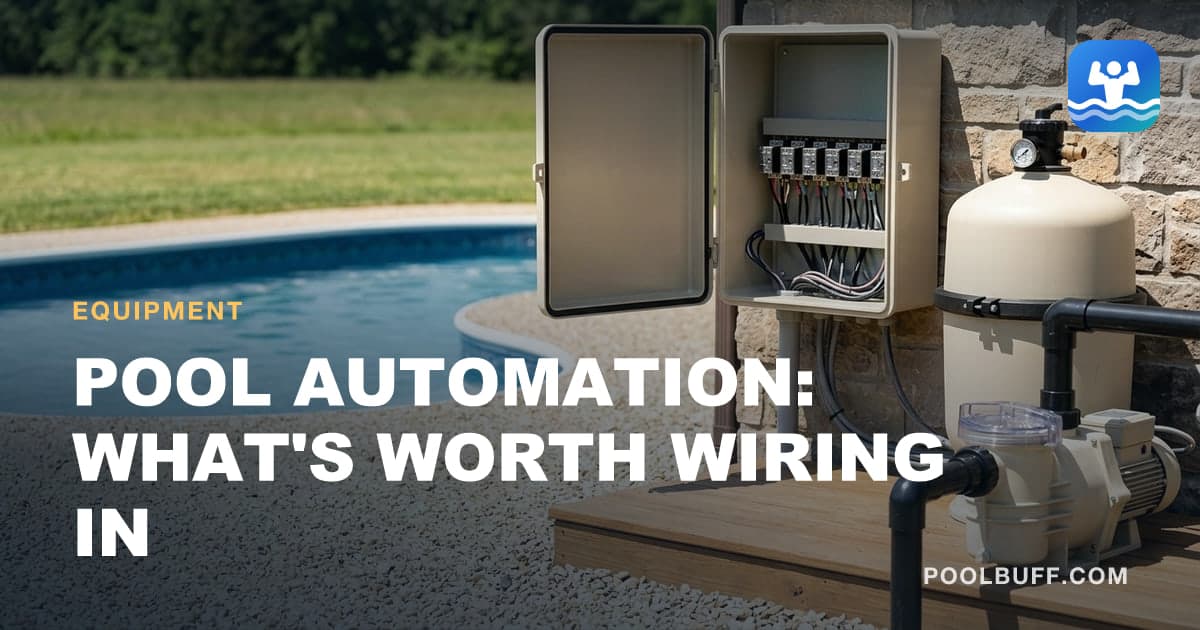
What pool automation actually controls, when it earns its cost, and the features that turn out to be a login you never use.
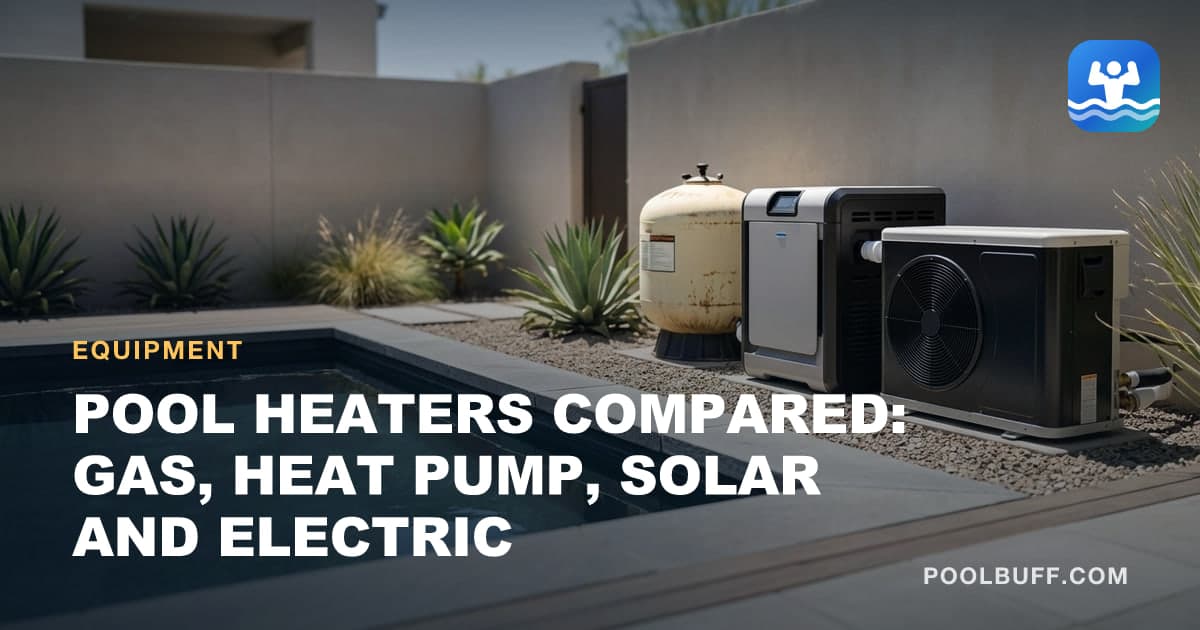
Which heater suits which climate and use pattern, how to size one properly, and where the marketing numbers fall apart.
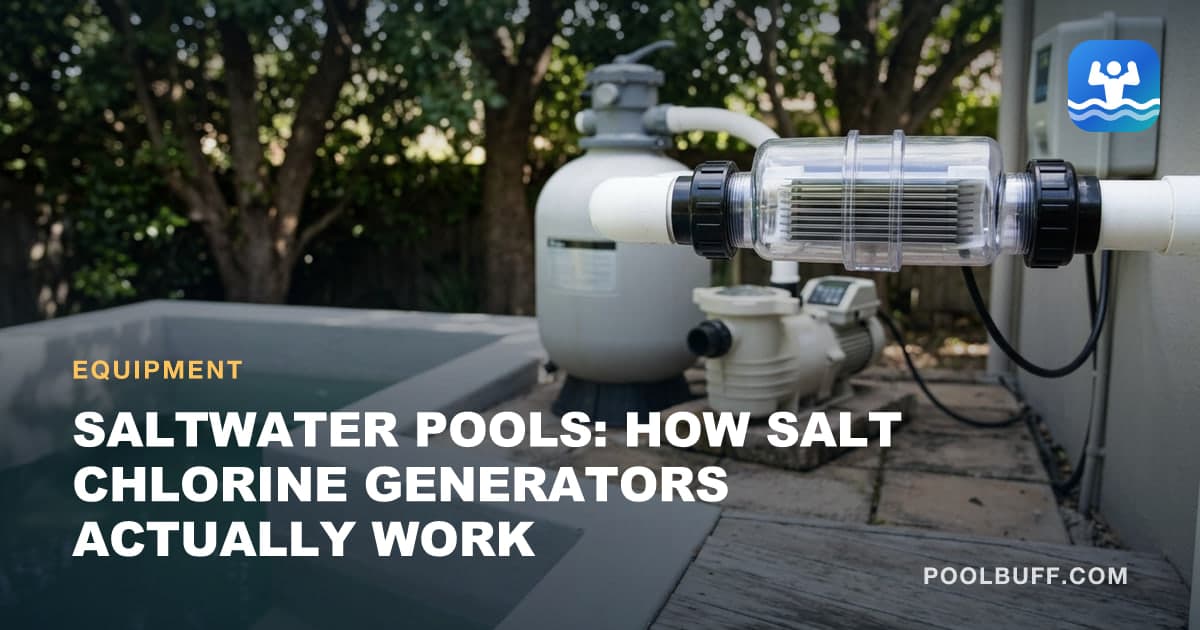
A salt pool is still a chlorine pool. What the cell does, what it costs to run, when to replace it, and the myths worth ignoring.
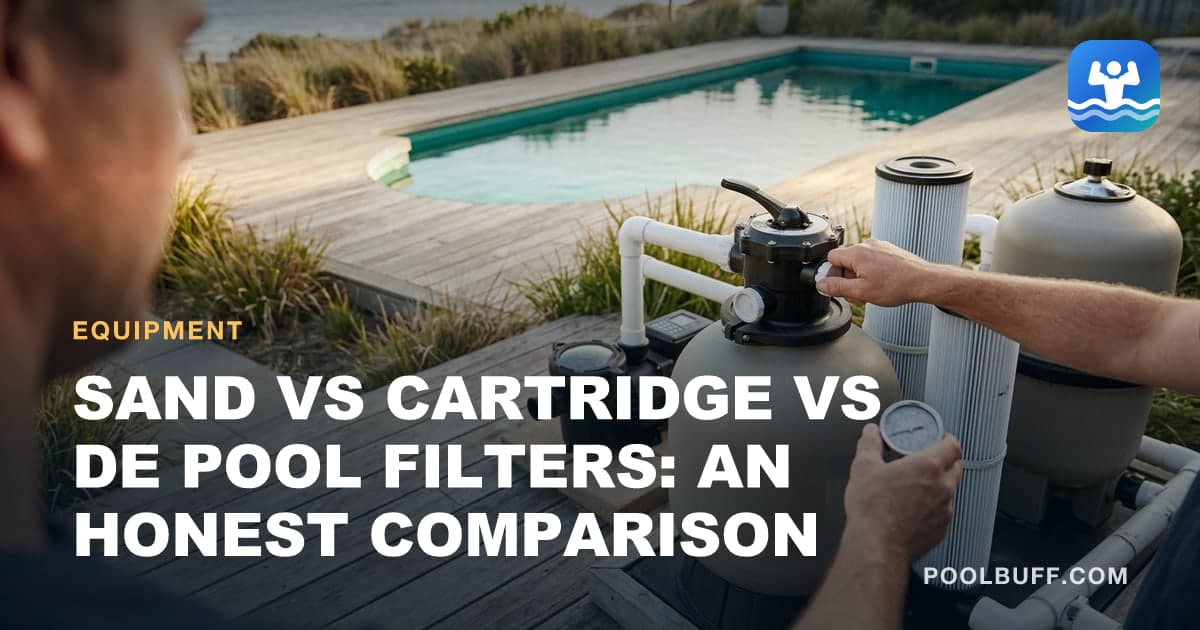
What each filter type actually catches, what it costs to run, and which one suits which pool. No brand preference, no hedging.
For any pool run more than a few months a year, yes. A variable-speed pump run long and slow typically cuts pump energy use by 60–80% versus a single-speed pump, which for most owners is $300–$900 a season. And since 2021, federal rules have effectively required variable speed on new inground pumps above 0.711 hydraulic horsepower, so most replacements are variable speed anyway.
Cartridge filters are the best default for most residential pools: they filter finer than sand, waste no water backwashing, and are simple to service. Sand is cheapest and most forgiving. DE filters give the clearest water but need the most attention and are restricted in some areas.
Size on surface area and the temperature rise you want. A rough working rule for gas heaters is 1.5 BTU per hour per square foot of surface per degree of rise, then add margin for wind exposure and no cover. Heat pumps are sized differently because their output falls as the air gets colder.
One short email with the seasonal jobs that matter, the fixes worth doing yourself, and the gear that earned its price.
Keep going
Pool problems rarely stay in one category. These are the ones that come up next.
Independent pool product reviews — robotic cleaners, pumps, filters, heaters, test kits and covers, compared on the specs that actually change ownership.
12 articlesExploreDiagnose it before you replace it. Pump problems, leaks, low flow, noisy motors and heater faults — traced back to the actual cause, step by step.
18 articlesExploreWhat pools really cost to build, run and repair. Transparent price ranges for installation, monthly upkeep, heating, resurfacing and common repairs.
10 articlesExplore