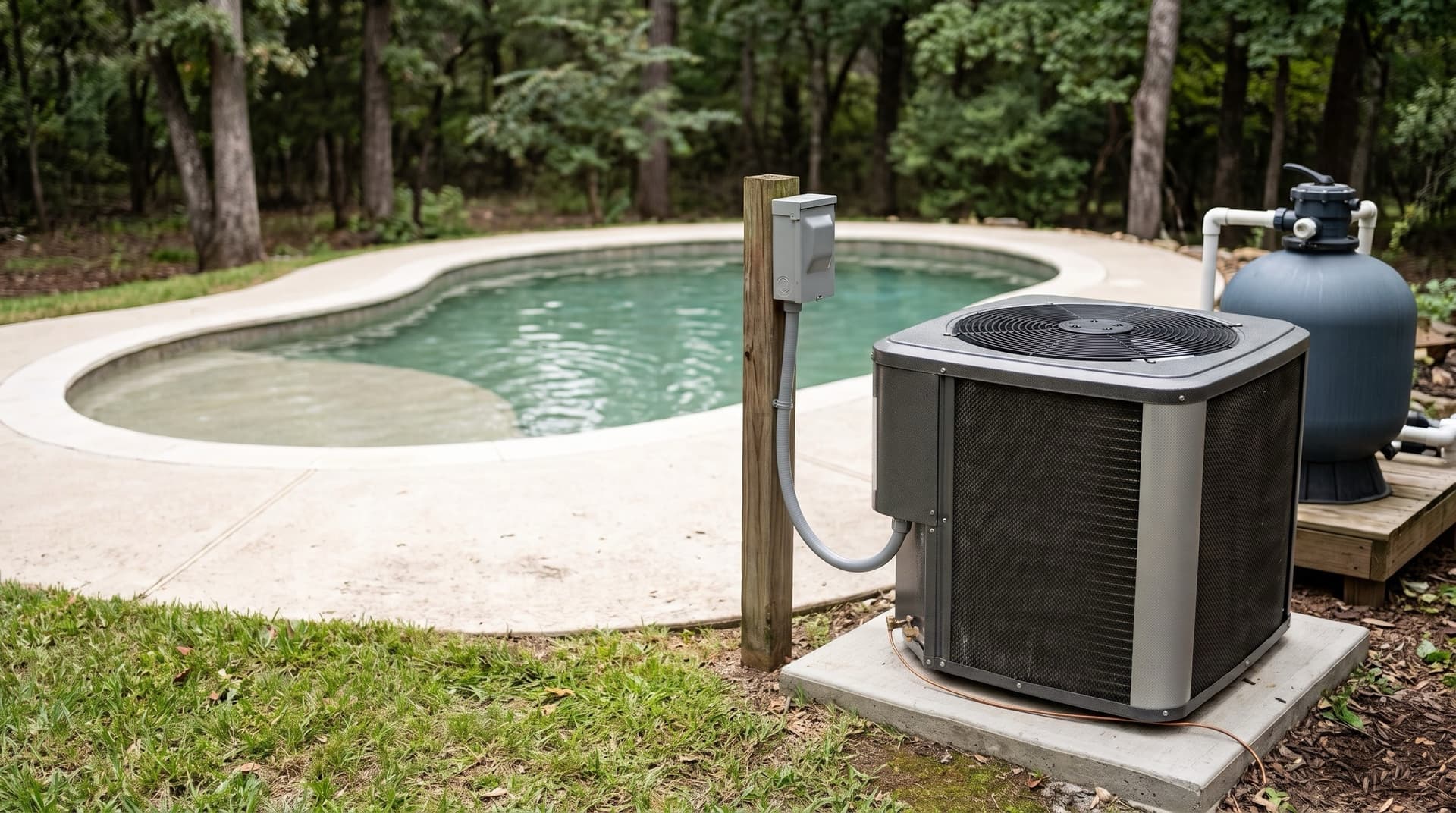
Pool Heat Pump Electrical: Breaker, Wire, Amps and Watts
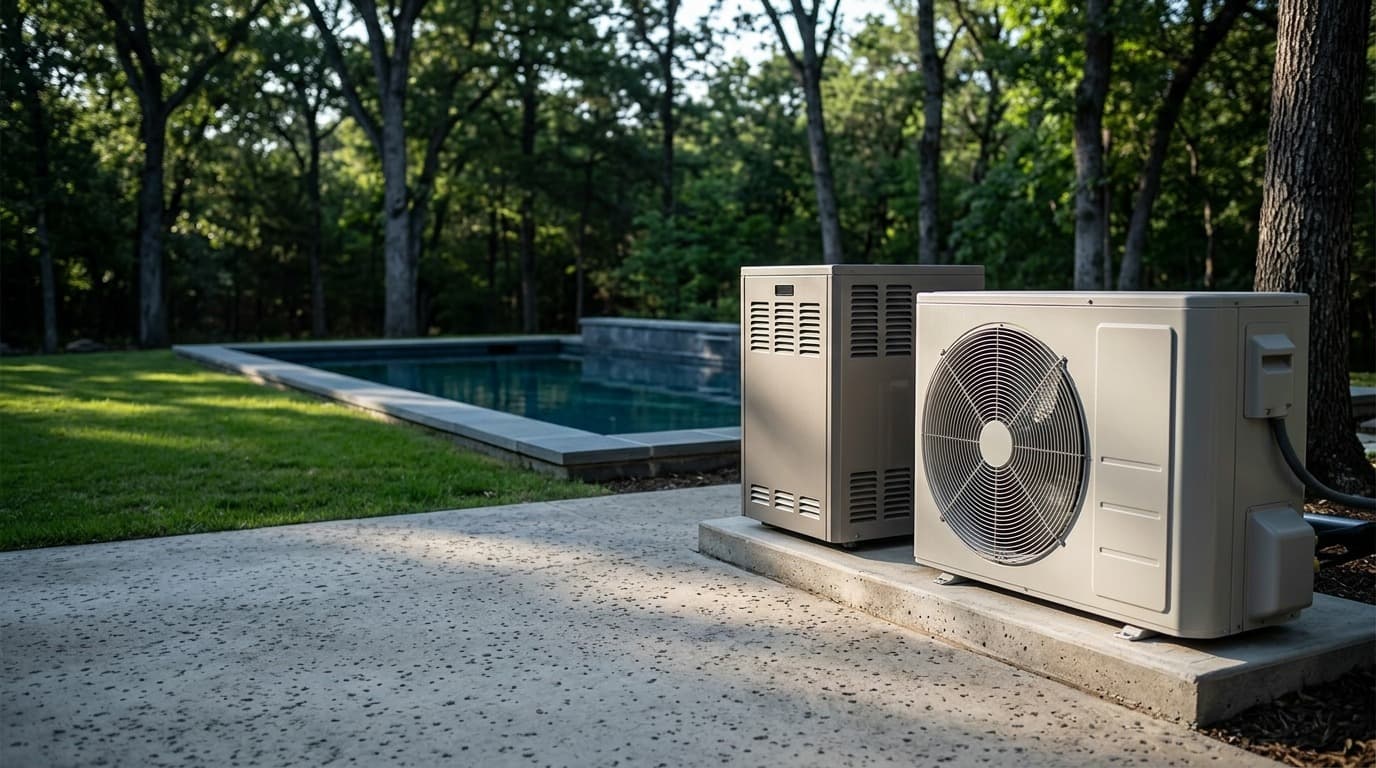
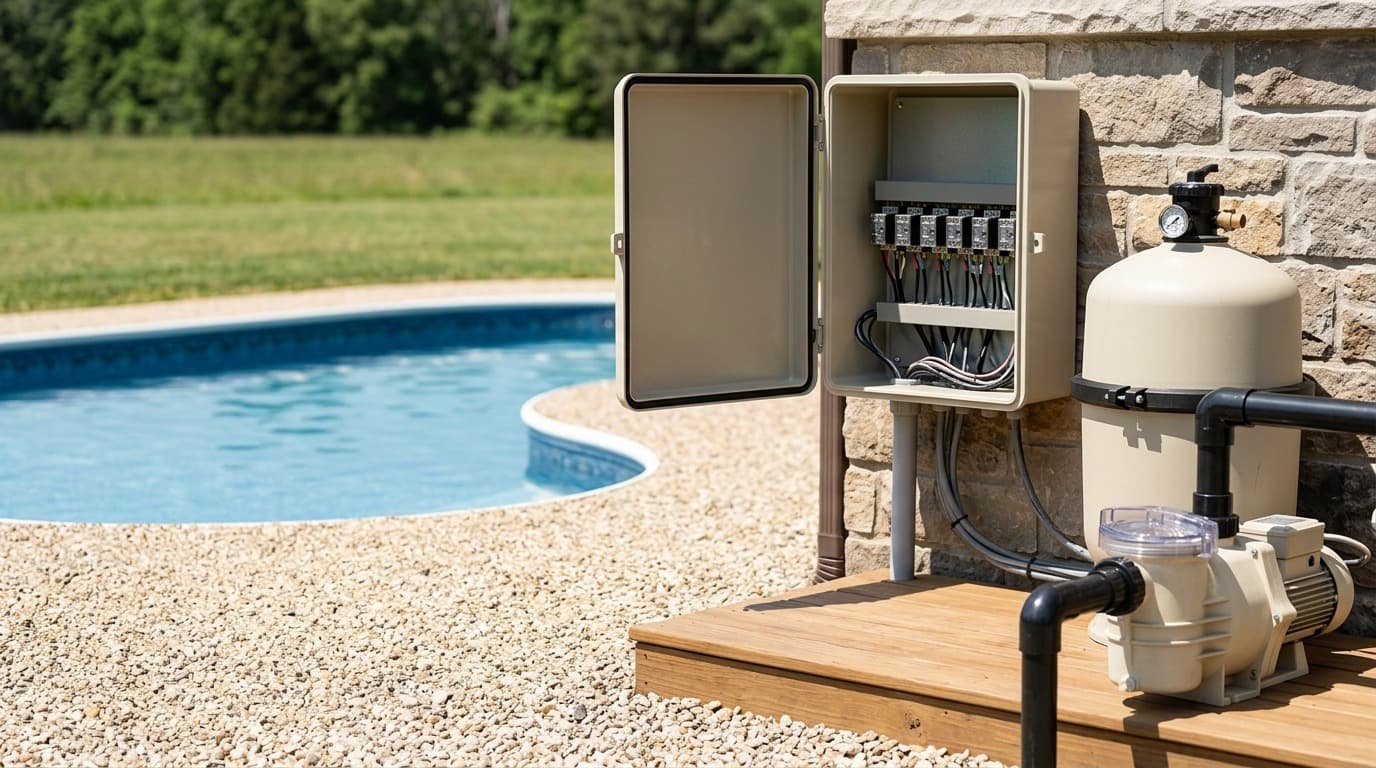
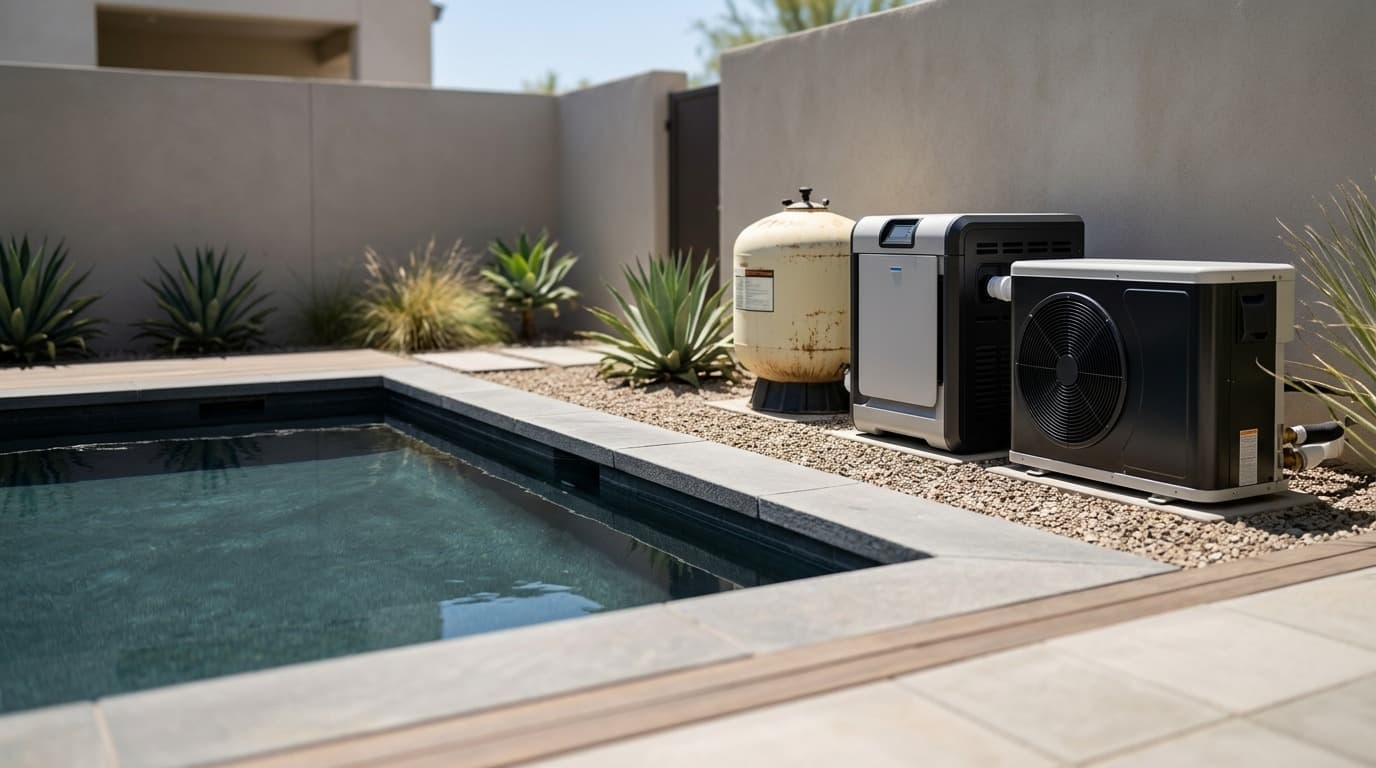
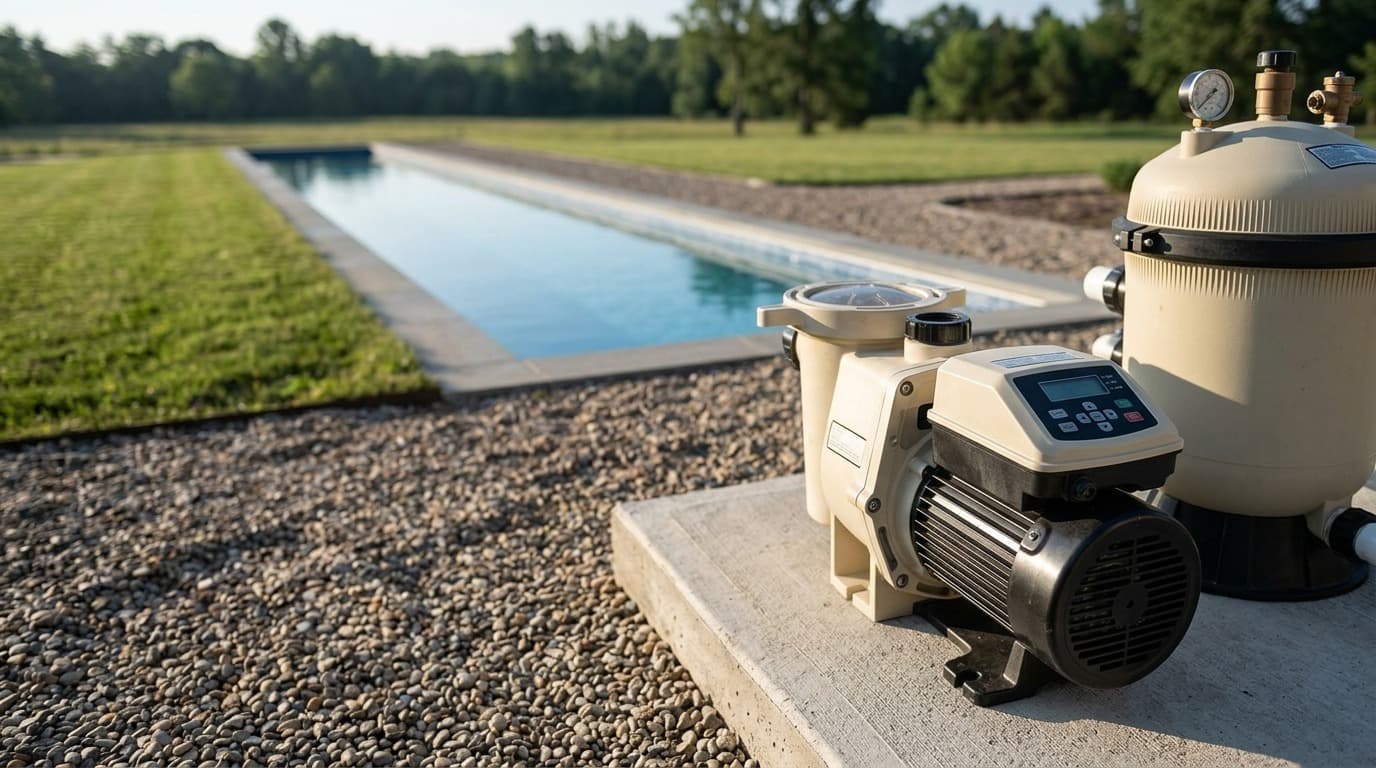
What a pool heat pump needs from your panel: a 208–230 V circuit sized from its rating plate, a 40 to 70 A breaker, about 4 to 8 kW, bonding and a disconnect.
Topic
Specs first, brand second. These guides tell you which specs actually change ownership.
30 guides on this topic

What a pool heat pump needs from your panel: a 208–230 V circuit sized from its rating plate, a 40 to 70 A breaker, about 4 to 8 kW, bonding and a disconnect.

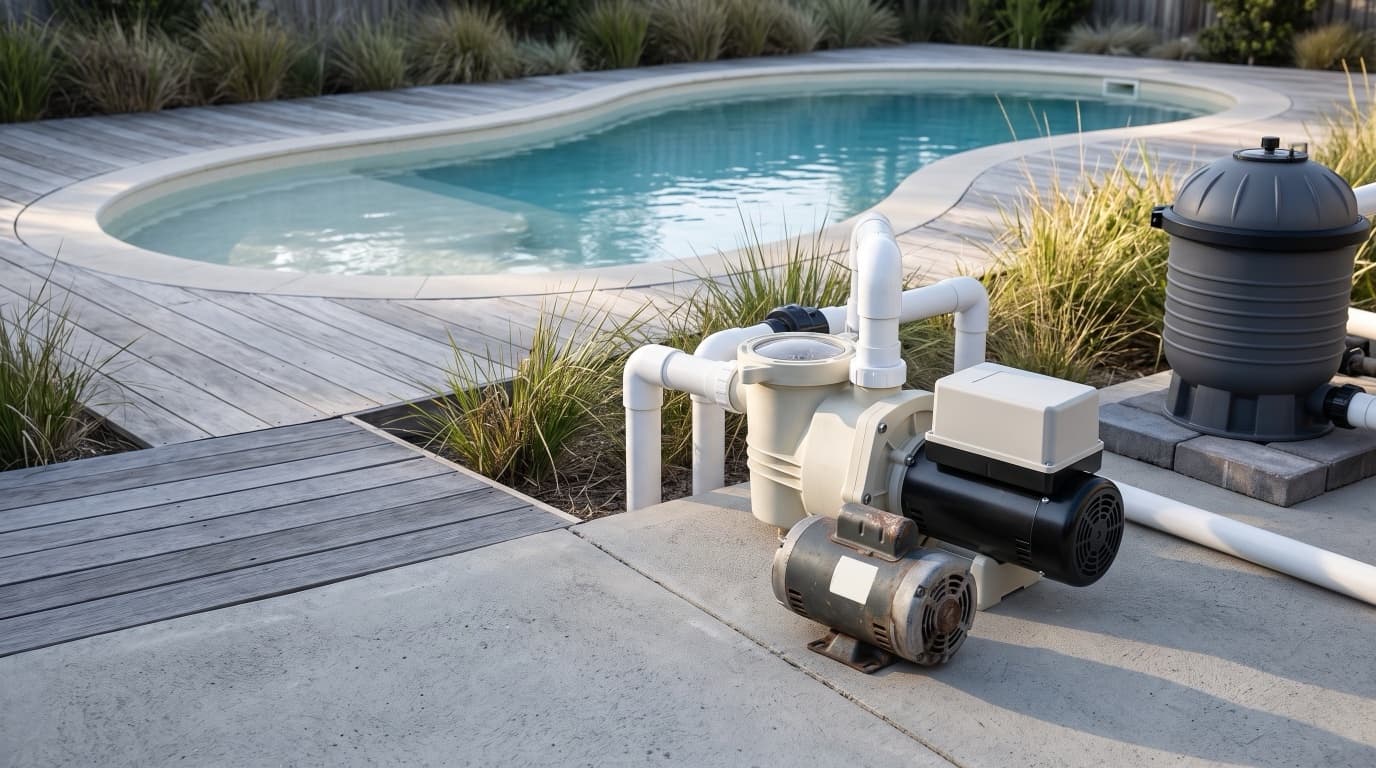
What switching from a single-speed pump really saves, what federal rules now let you buy, and when a new motor beats a whole new pump.

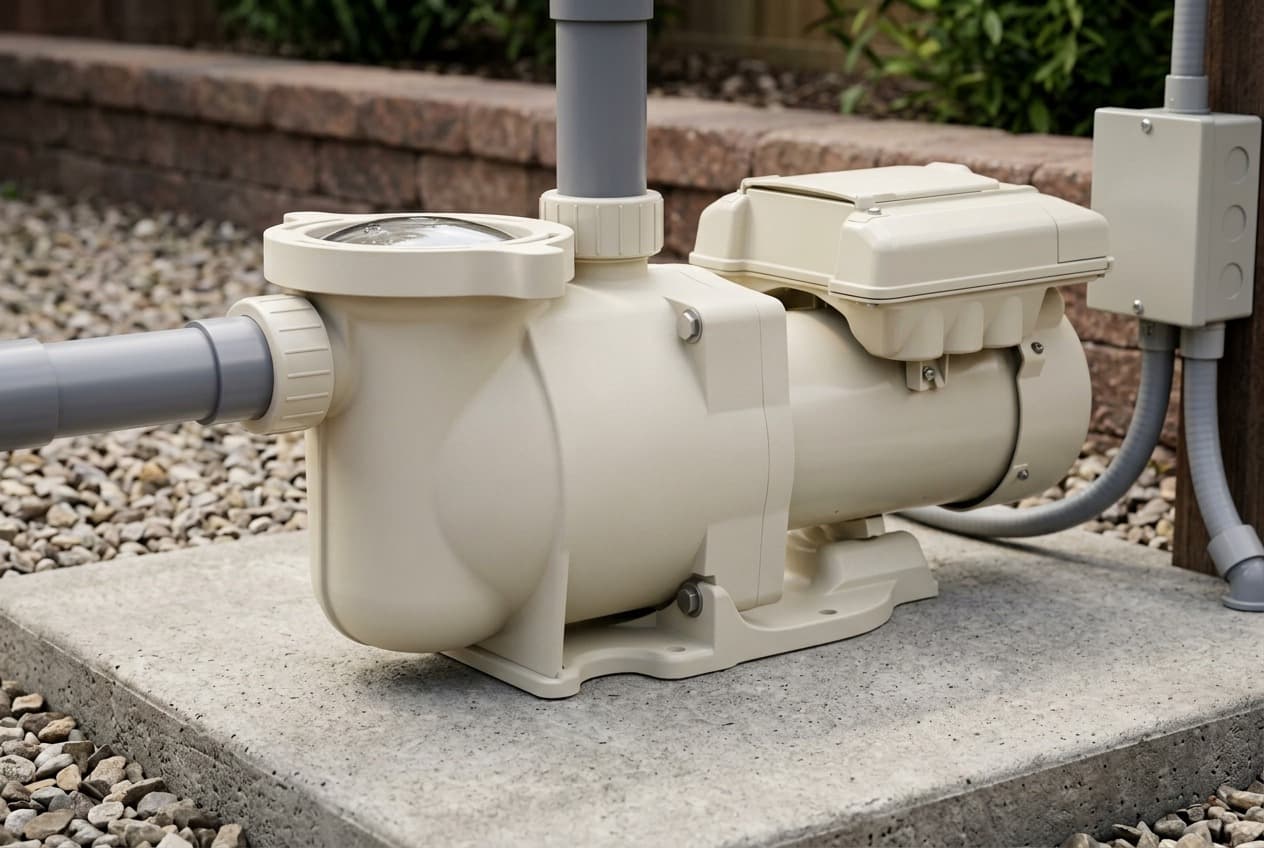
Whether you need a whole pump or just the motor, the port size that catches people out, and the two mistakes that turn a two-hour job into a plumbing repair.

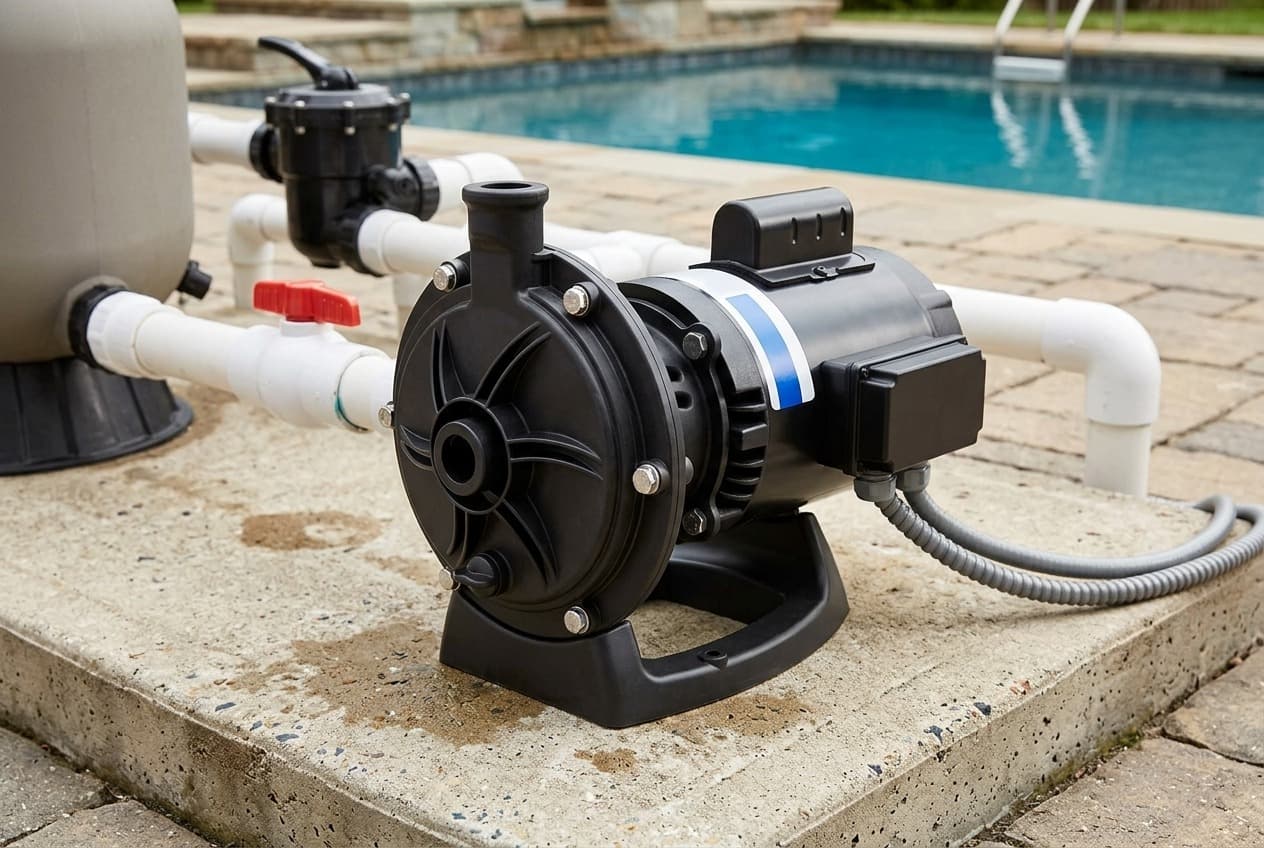
A pressure cleaner needs a second pump running just for it. What it adds to the bill, the wiring rule that decides its life, and how a dying one sounds.

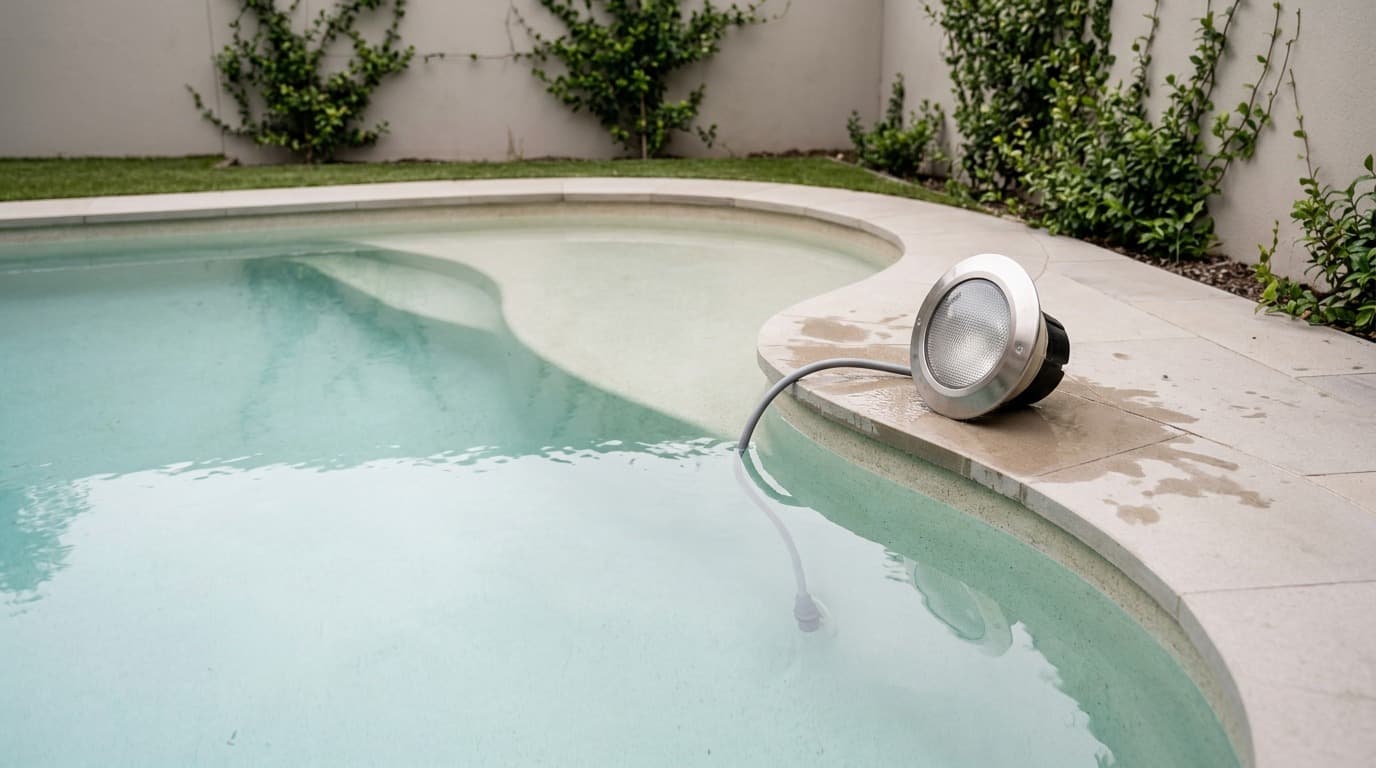
Whether a dead pool light takes a new lamp or a whole new fixture, the three fixtures worth buying, and why this stays an electrician's job.

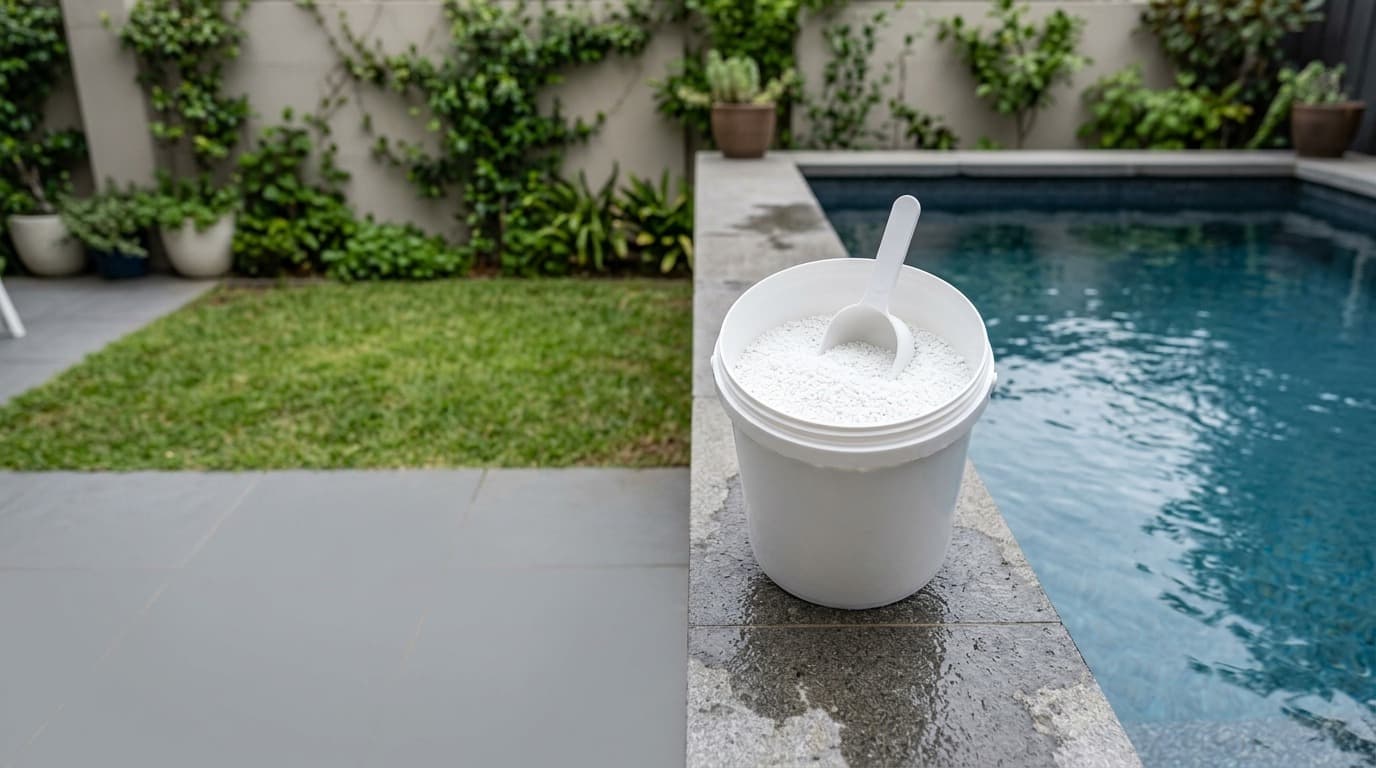
Every chlorine product adds something besides chlorine: stabilizer, calcium or a little salt. What each one adds, from the labels and PHTA, and when each fits.

Liquid chlorine can lose three quarters of its strength in a hot month; dry products last if they stay dry. How long each keeps, by the makers' figures.

Eight products cover a season, and two of them are the same chemicals sold in the grocery aisle as baking soda and washing soda. What to stock, and why.

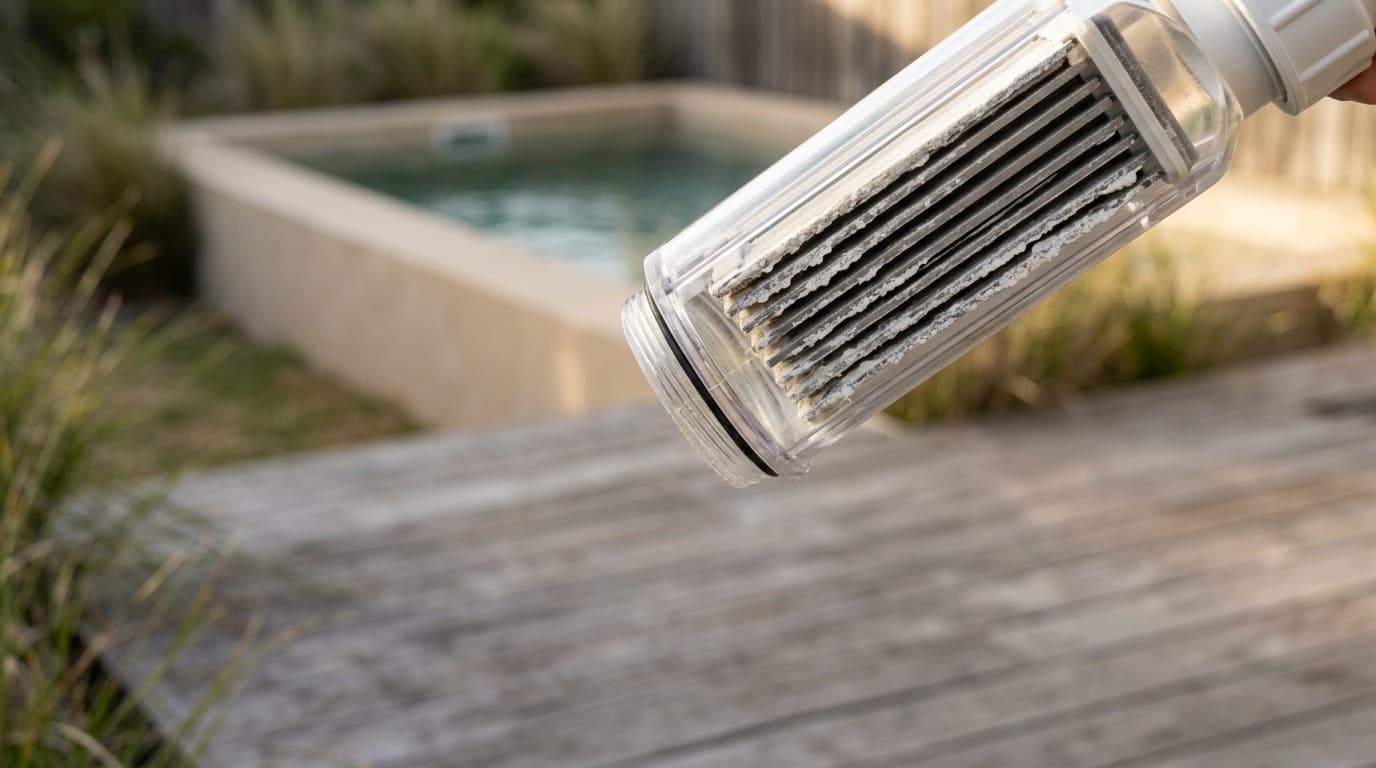
A chelated copper cartridge that genuinely suppresses algae for months. Here's what it does, what it doesn't, and the chlorine advice to ignore.

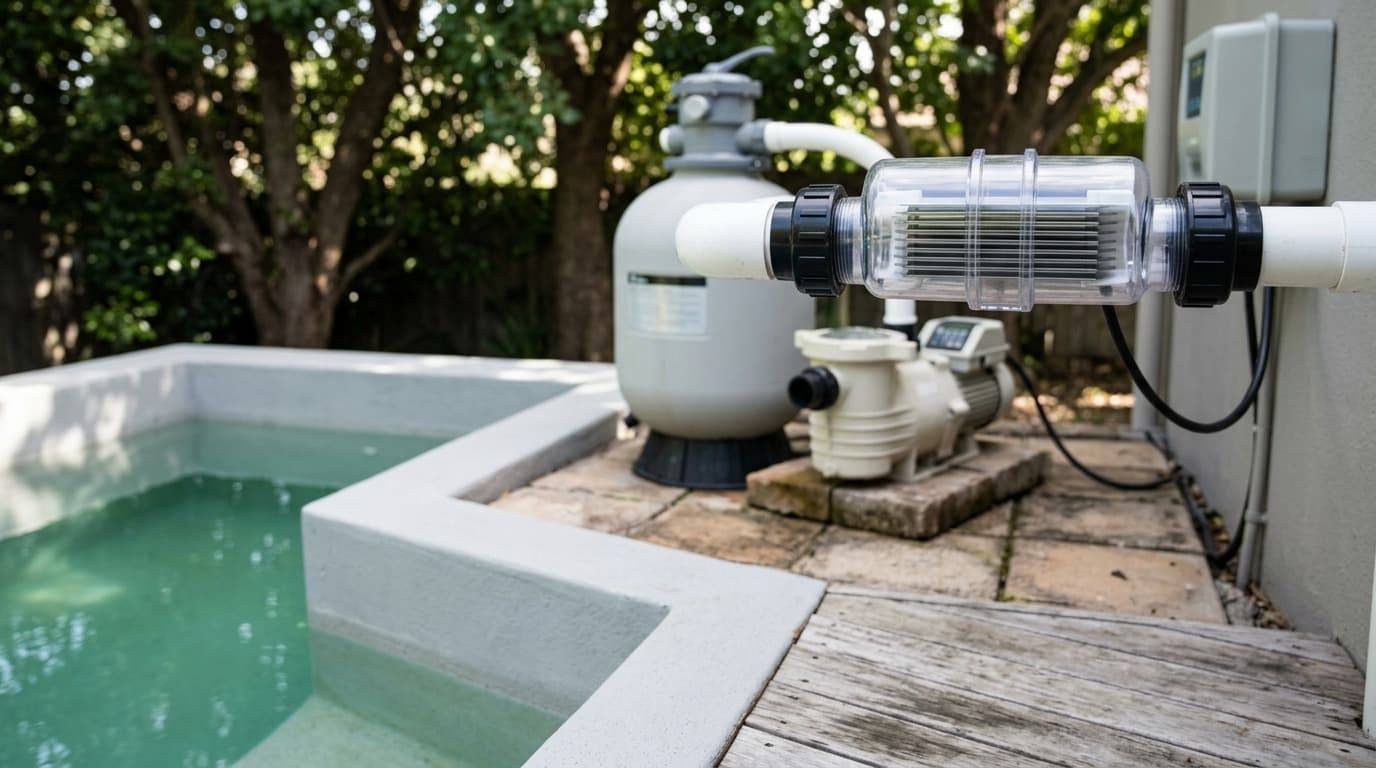
A cell belongs on its own maker's controller, and many that get replaced are only scaled. What to check before you buy, and what each warranty covers.

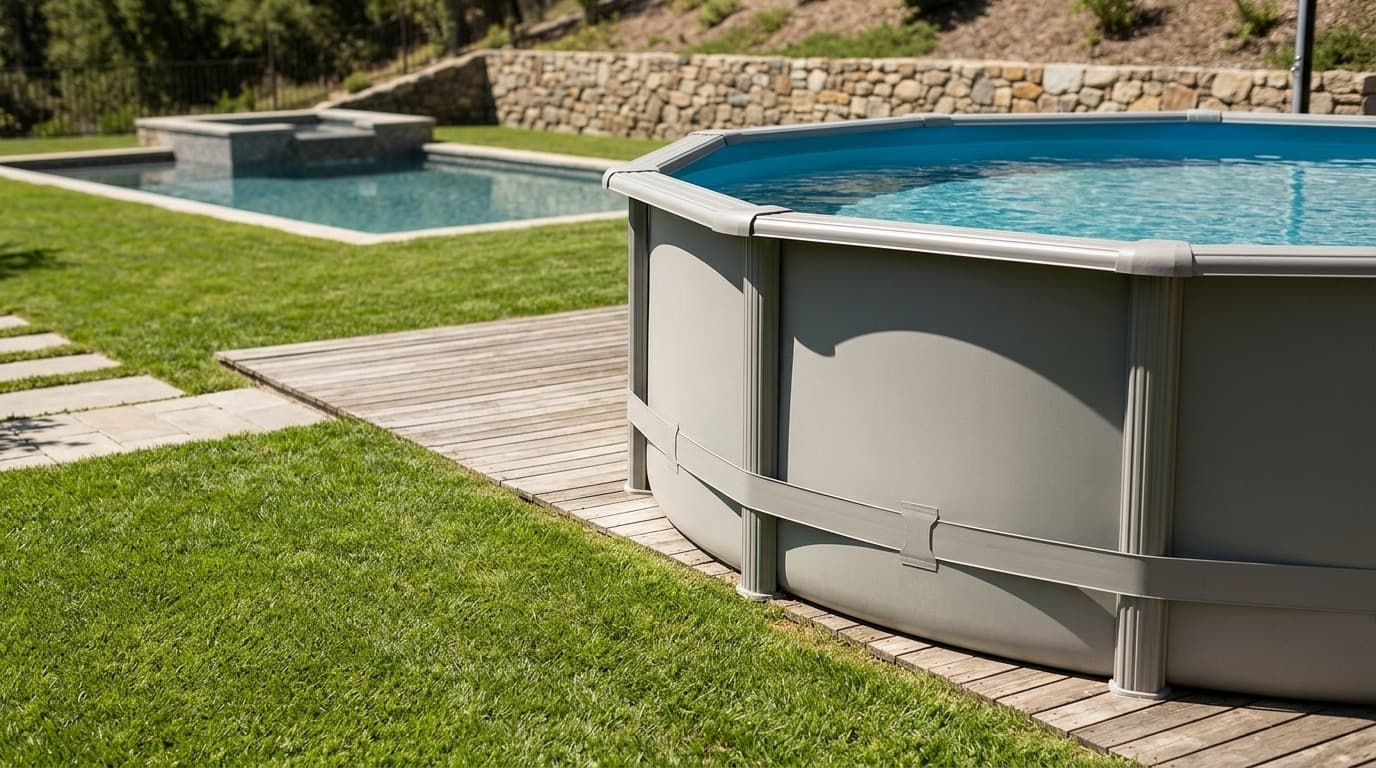
Frame pools and steel-wall pools are different products with different warranties. Which one you are shopping for, and what the set leaves out.

An alarm is the last layer, not the first. Which type covers which gap, what ASTM certification means, and the failure that makes all of them useless.

What to actually keep in the shed: which chlorine to buy for daily dosing, which for shocking, and the pairs the labels and EPA say never to store together.

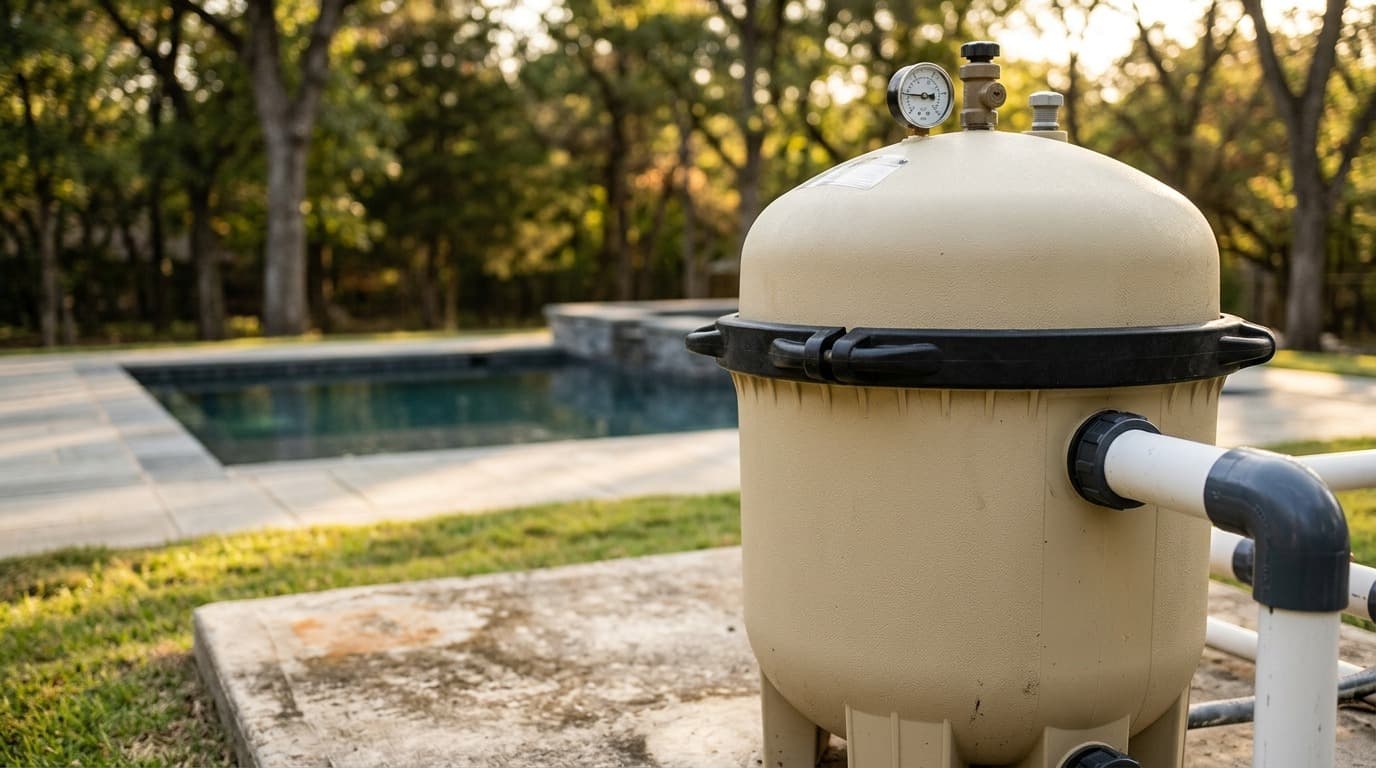
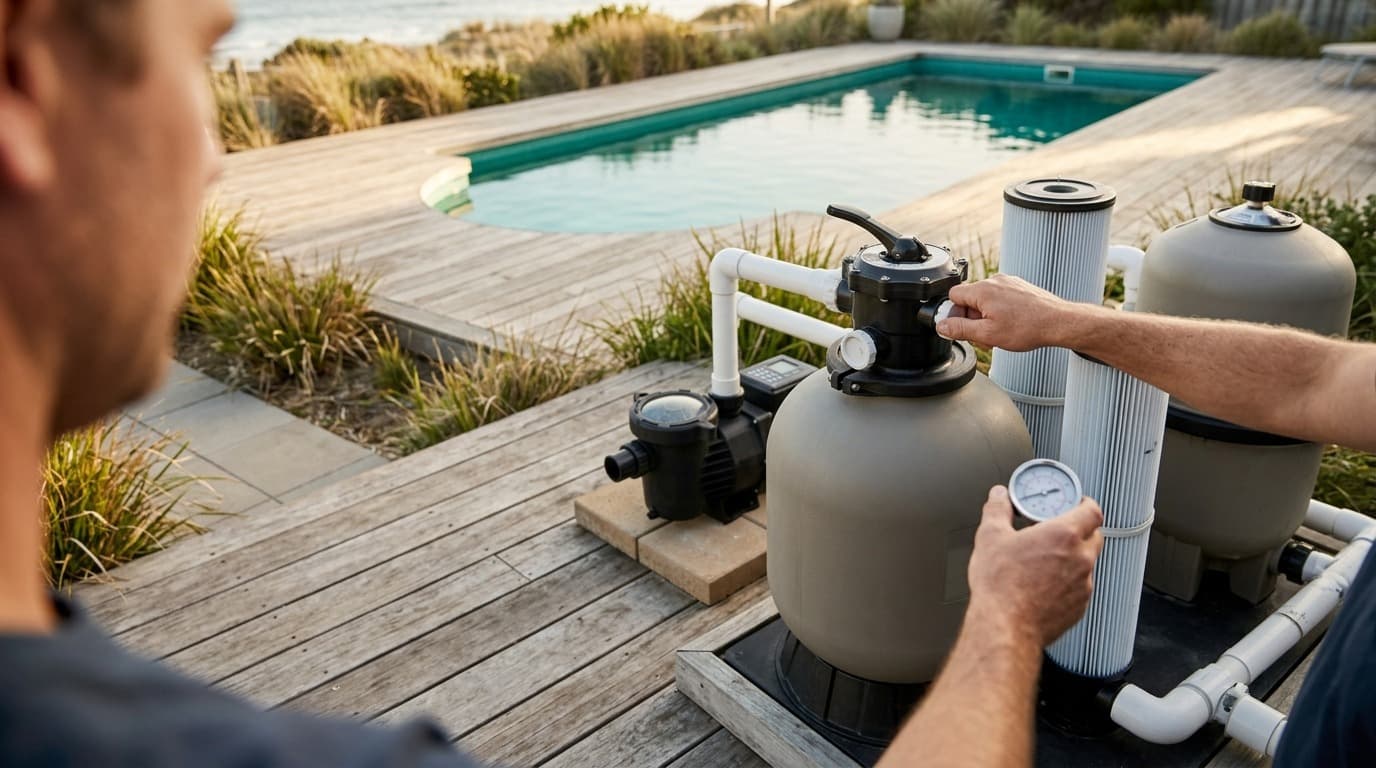
Filter area decides how often you clean. Real models compared, the rating to size them against, and why it pays to buy more filter than the minimum.

Gas heats fast and costs a lot to run. A heat pump is the reverse. Which one suits your climate and swim season, with real models and honest running costs.

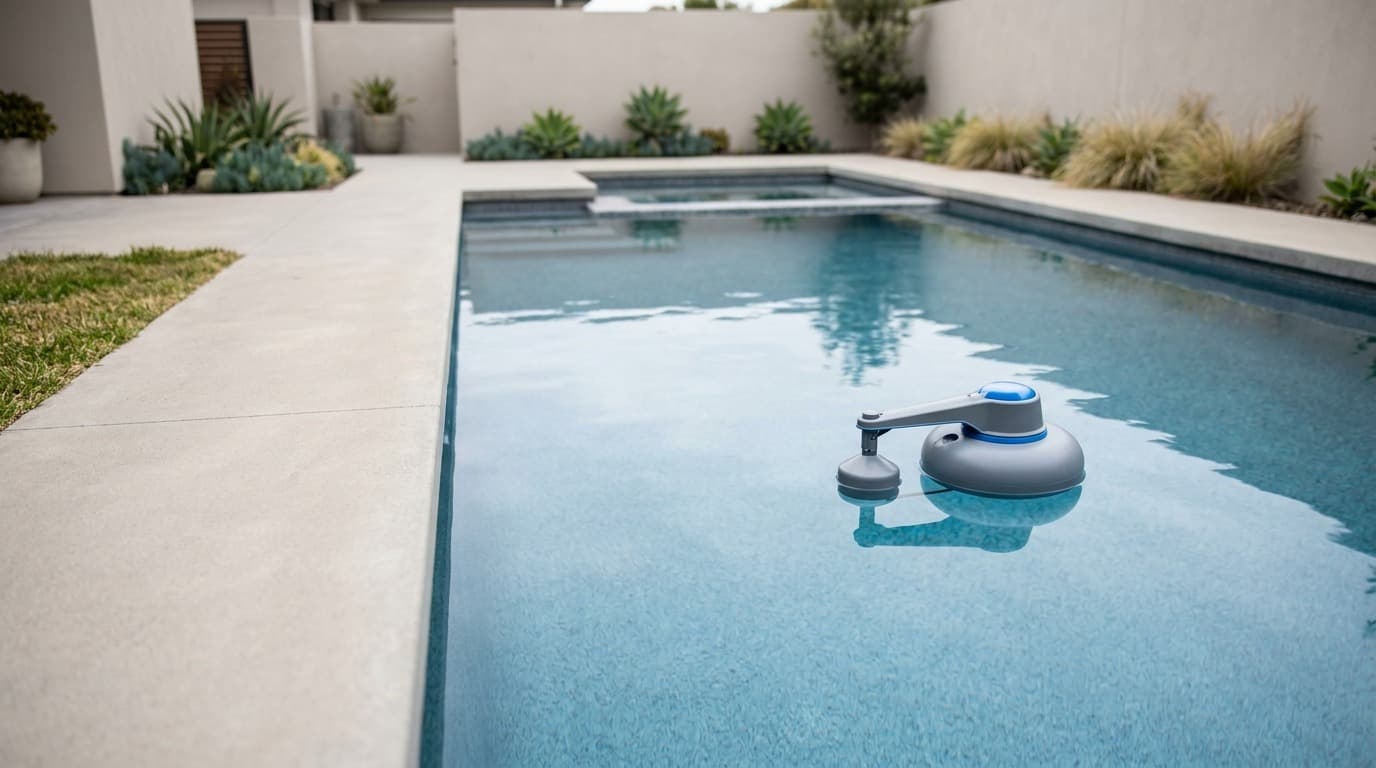
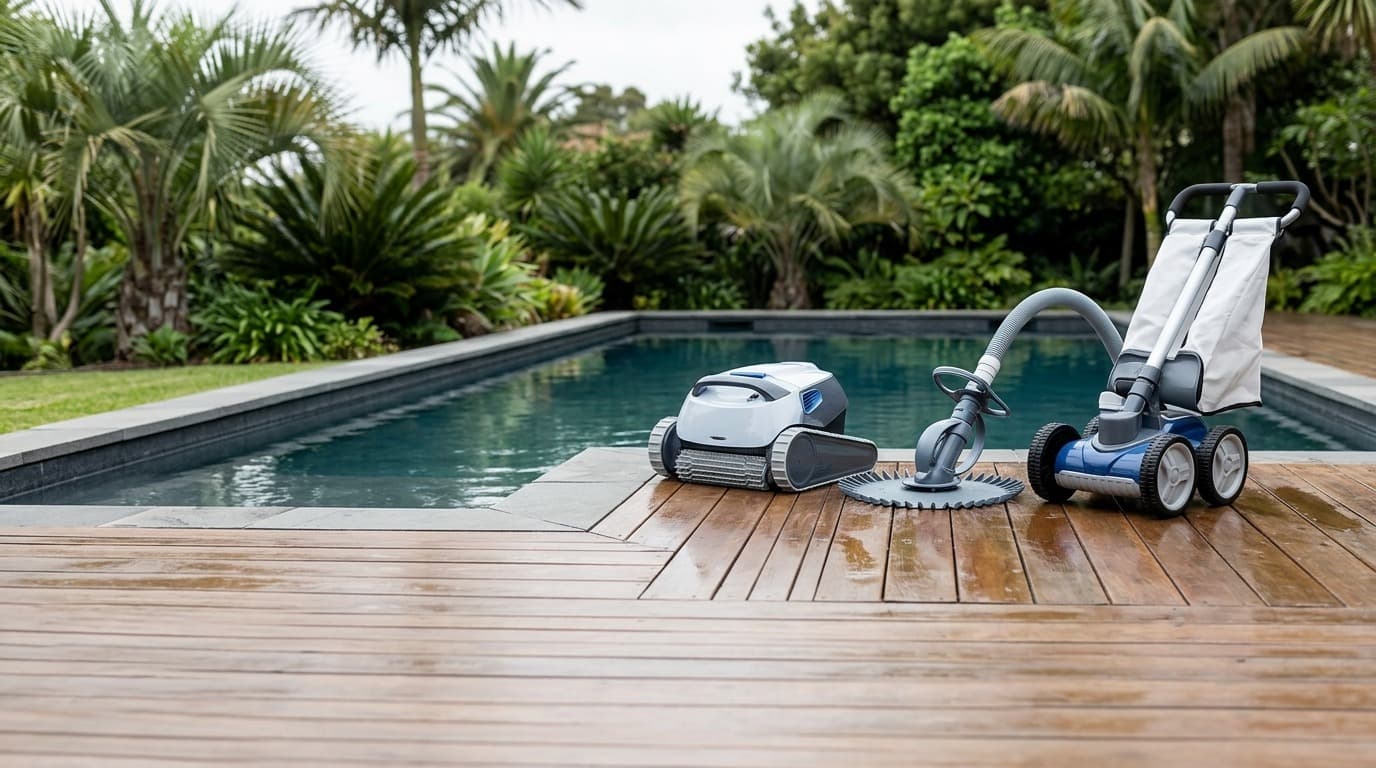
Suction-side, pressure-side and manual. Which one suits your debris, your pump and your plumbing, and when a robot is the cheaper answer anyway.

What to buy for a hot tub, starting from your maker's own sanitizer list: chlorine granules, a weekly oxidizer, and bromine only if your tub allows it.

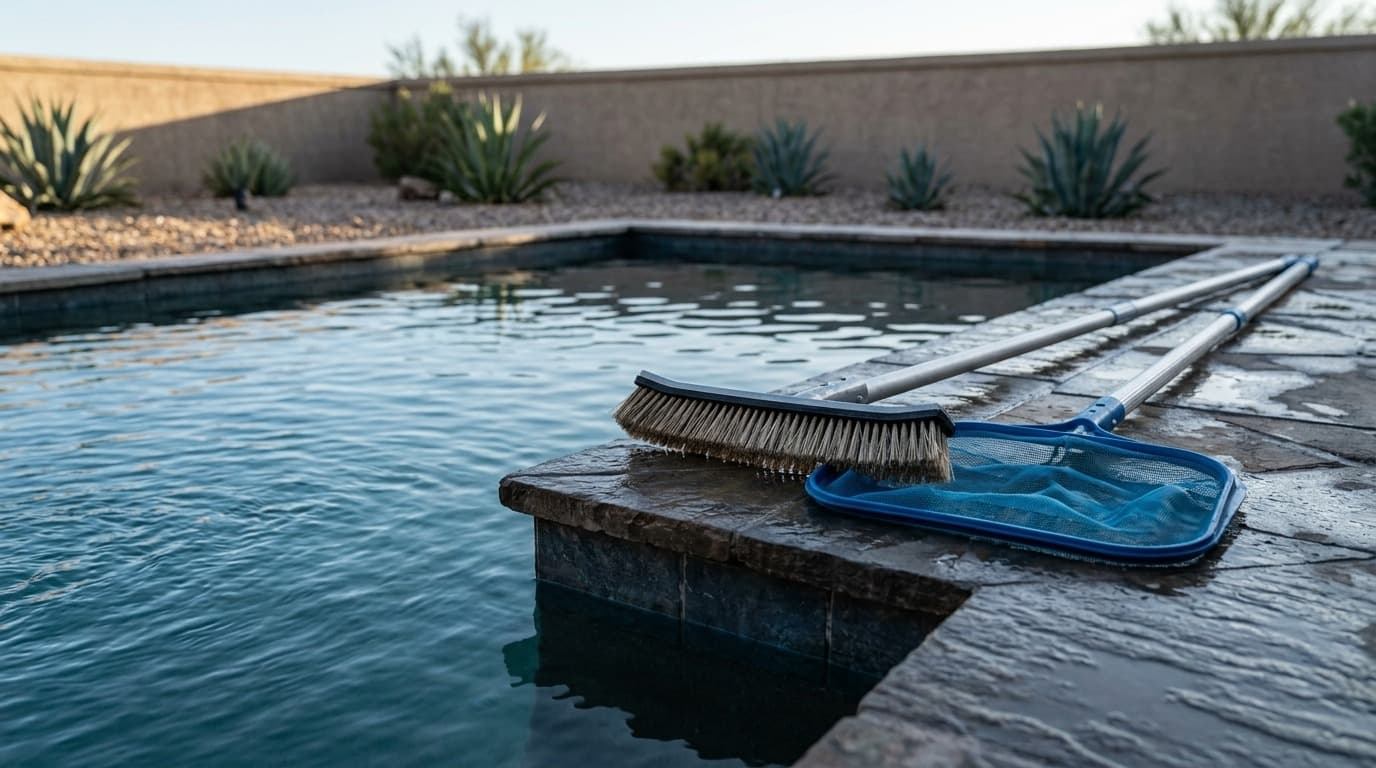
Six tools cover almost every job a pool asks of you. Which to buy, which brush your surface needs by its makers' own rules, and where spending more pays.

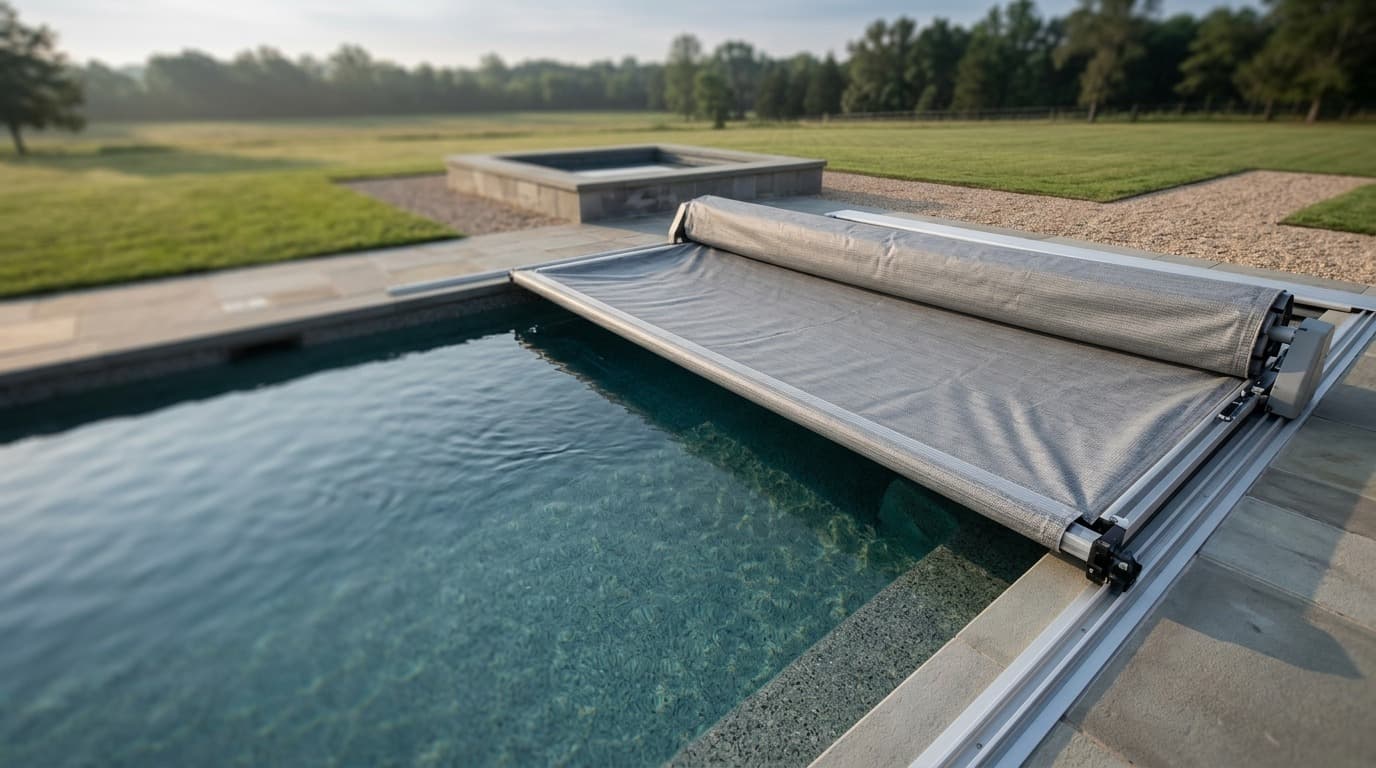
What automatic pool covers cost, how the tracks, ropes and drum work, what the makers' warranties cover, what wears out, and when one is a safety cover.

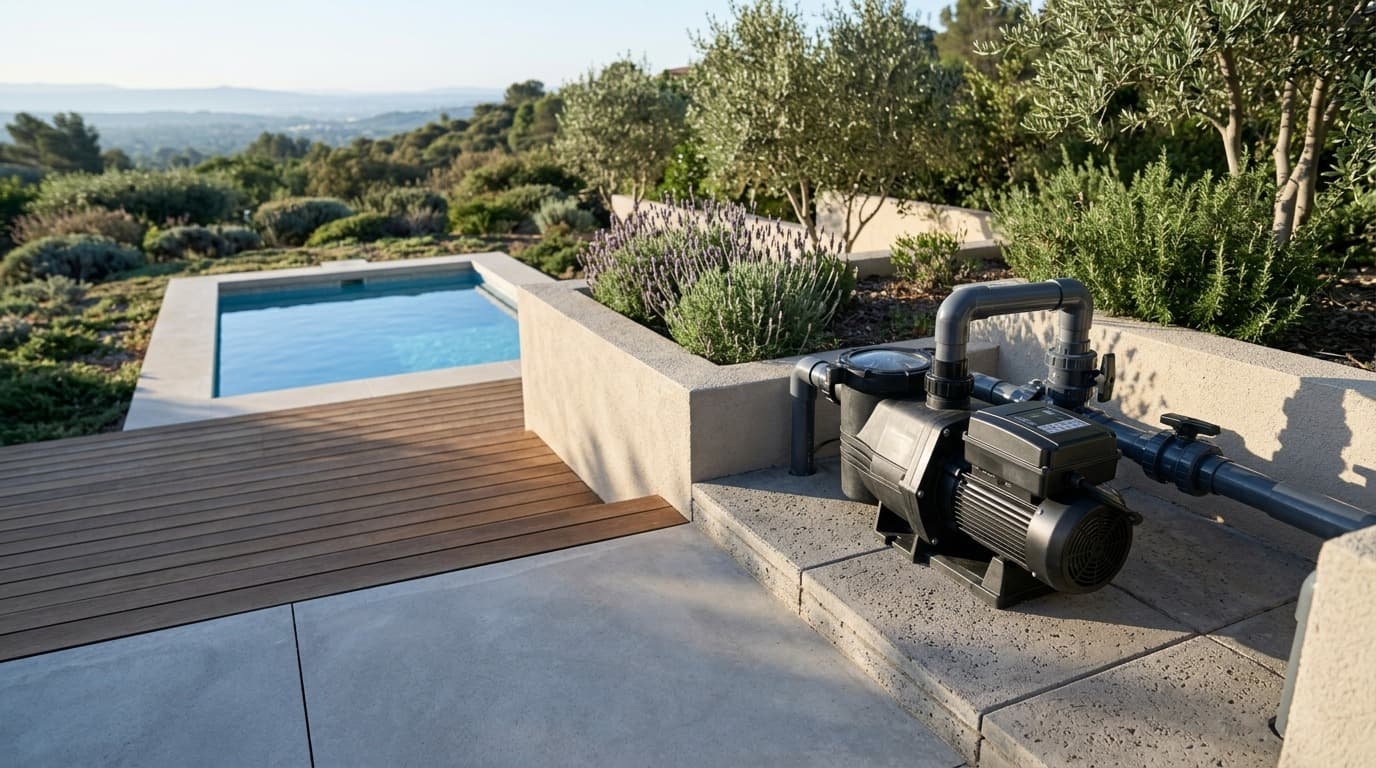
Real model numbers, real prices and the spec that actually decides which variable-speed pump you should buy. Hint: it isn't energy savings.

What pool automation actually controls, when it earns its cost, and the features that turn out to be a login you never use.

Suction, pressure and robotic pool cleaners compared on debris, running cost and what they do to your filter, from the makers' own figures.

How to size a pool filter to your pump rather than your pool, which of the plate's ratings to use, and why a bigger filter is nothing like a bigger pump.

Which heater suits which climate and use pattern, how to size one properly, and where the marketing numbers fall apart.

What an LED pool light saves over incandescent, what Hayward and Pentair charge for one, how color lights sync, and why the wiring is licensed work.

How to size a pool pump properly using turnover and head, why oversized pumps are the industry default, and what variable speed changes.

A salt pool is still a chlorine pool. What the cell does, what it costs to run, when to replace it, and the myths worth ignoring.

What each filter type actually catches, what it costs to run, and which one suits which pool. No brand preference, no hedging.

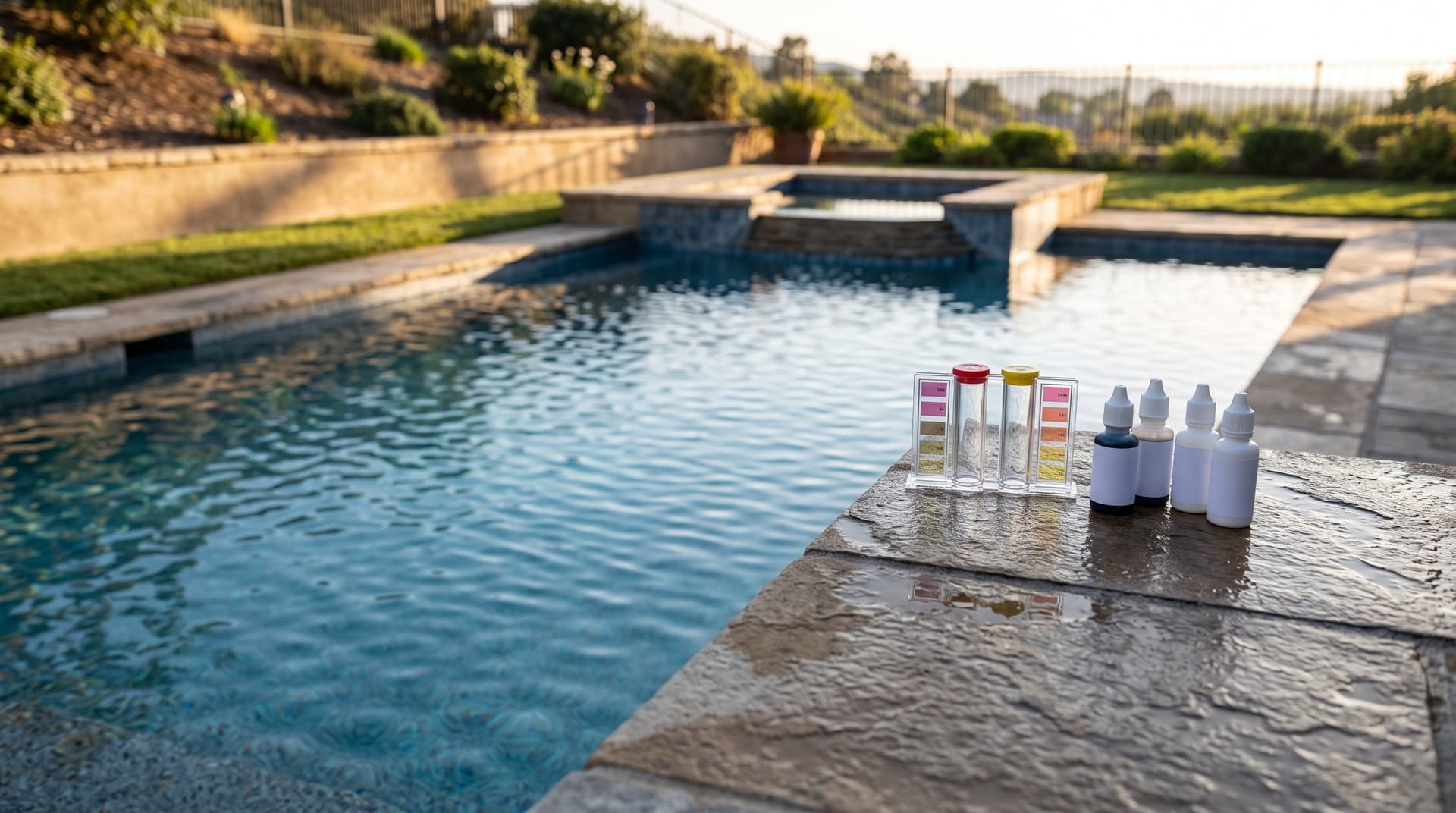
Real models and real prices. Why a $150 drop kit beats a $20 box of strips, and what each one can and cannot actually measure.

Dolphin's Nautilus robots carry one year of warranty and its Premier and Sigma three. Here's what that means for which robot is worth buying, with real specs.