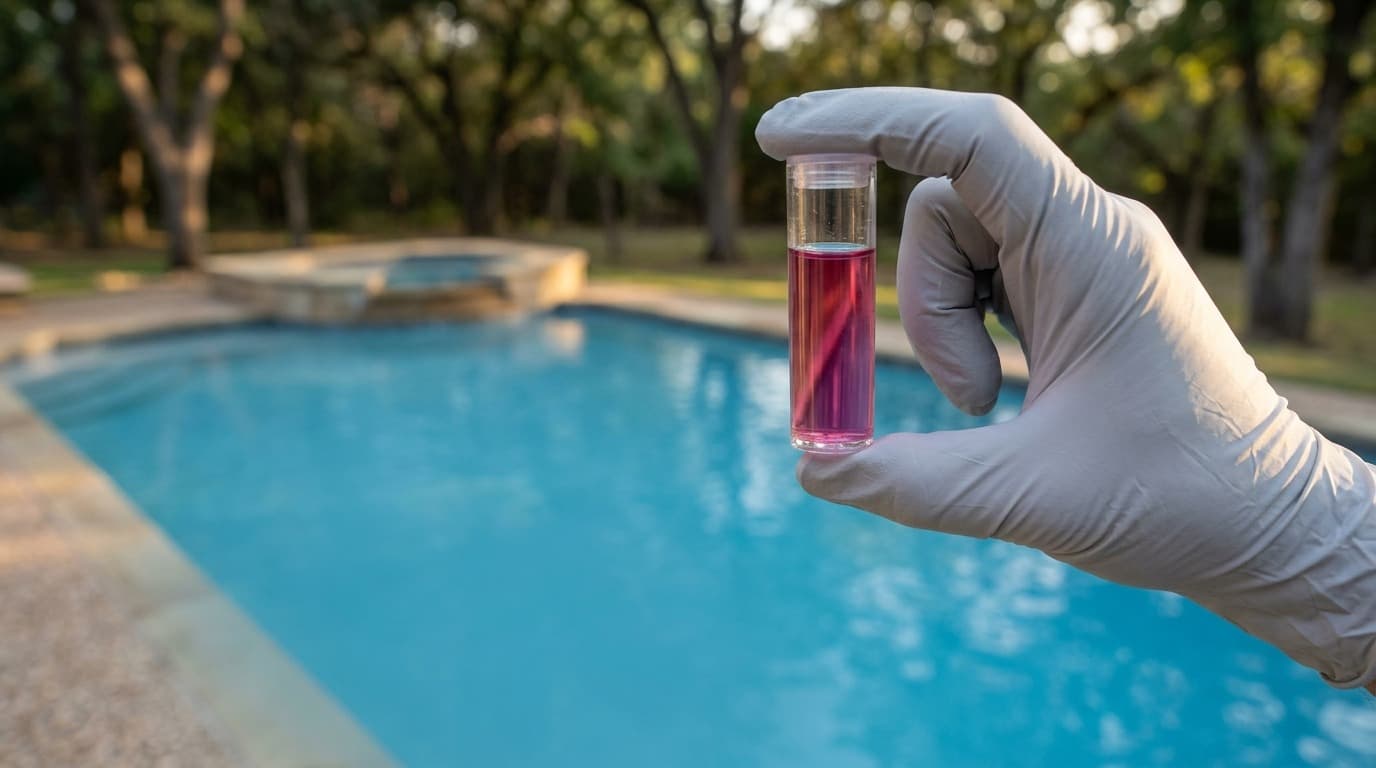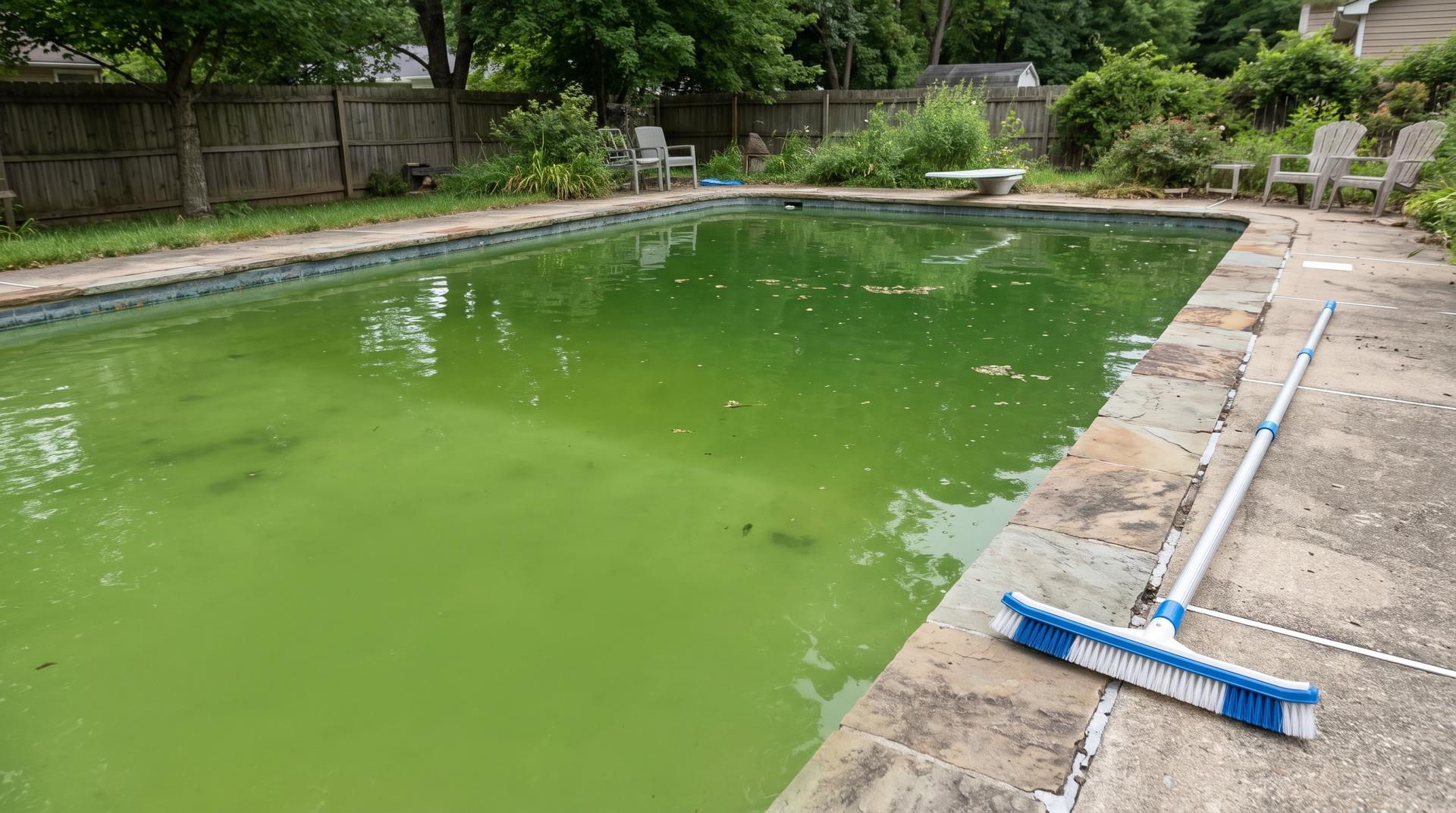
Pool Still Green After Shocking? Why It Didn't Clear
A shock that left the pool green was usually too weak for the stabilizer, or wasn't held. Copper, the filter and hidden algae do it too. How to tell which.
Topic
Chlorine is the workhorse of pool sanitation and the most misunderstood chemical on the shelf.
21 guides on this topic

A shock that left the pool green was usually too weak for the stabilizer, or wasn't held. Copper, the filter and hidden algae do it too. How to tell which.

Chlorine reading high? Make sure the test isn't lying, stop whatever is feeding it, and let the sun do the work. When a neutralizer is worth using.

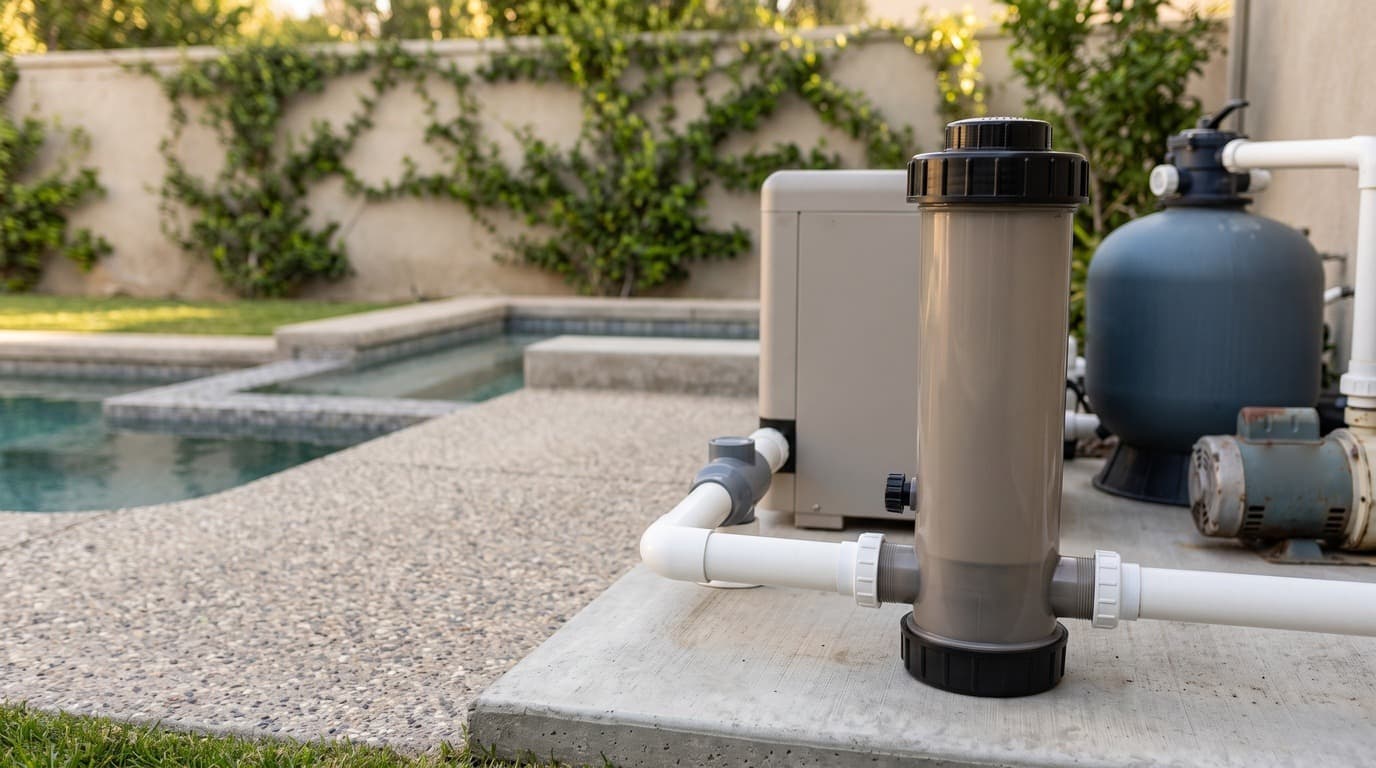
How inline and offline tablet chlorinators work, where they go in the plumbing, what the dial means, and the two mistakes that ruin heaters or start fires.

Most dead salt cells are not dead. The flow switch, cold water, a salt reading that lies, and a controller set to the wrong cell — in the order to check them.

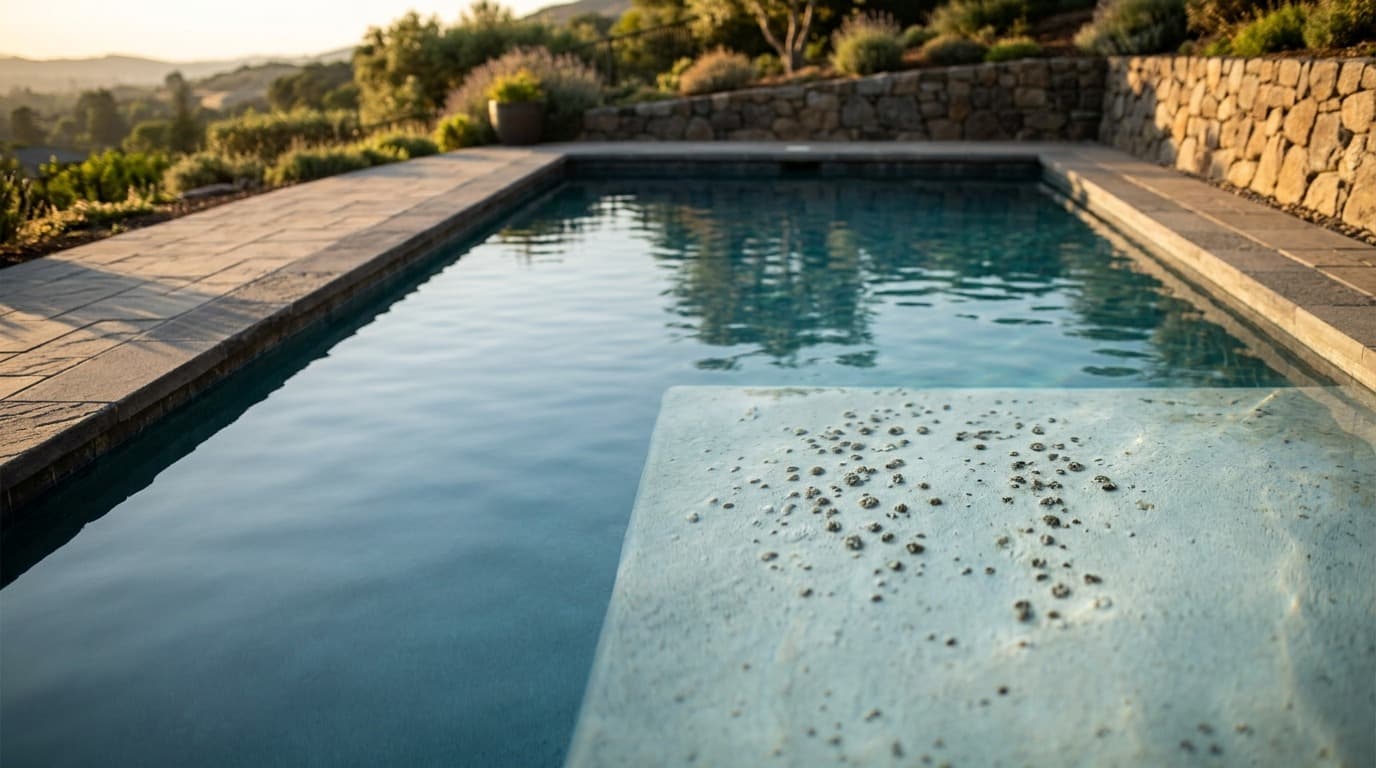
It isn't really algae, it anchors into plaster, and it shields itself from chlorine. Why brushing comes first, and the method that clears it.

The honest answer is not a number of hours. It is a chlorine reading — and knowing which one saves you a day of waiting or an evening of stinging eyes.

Every chlorine product adds something besides chlorine: stabilizer, calcium or a little salt. What each one adds, from the labels and PHTA, and when each fits.

Bromine versus chlorine in a spa, the target ranges that differ from a pool, and why 400 gallons at 102 degrees is a completely different problem.

The pairs that start fires and release toxic gas, from makers' labels and EPA incident reports, and the moments they meet: a scoop, a feeder, a shelf.

Chlorine gone by morning means something is using it. How to tell sunlight from a bad test from real demand, and why ammonia needs a far bigger dose.

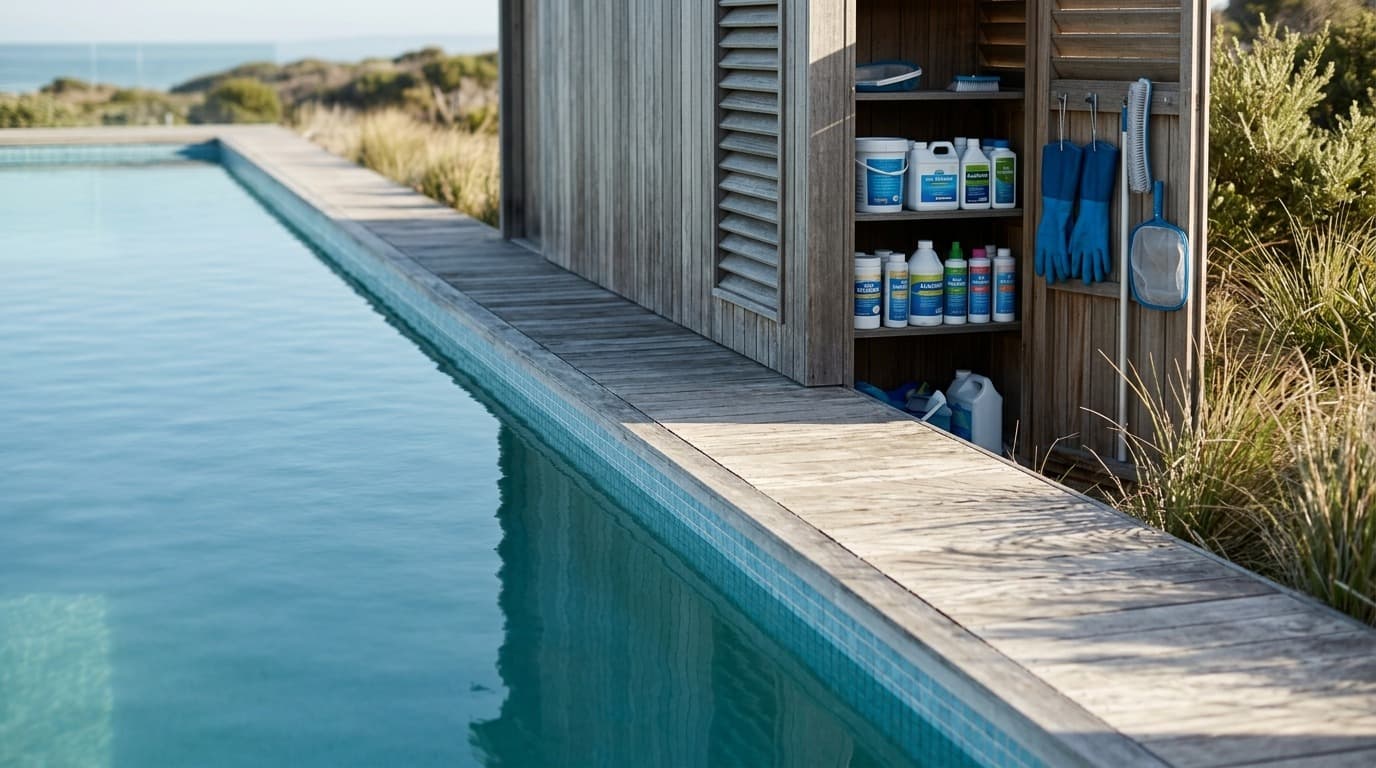
What to actually keep in the shed: which chlorine to buy for daily dosing, which for shocking, and the pairs the labels and EPA say never to store together.

Cloudy pool water has a handful of causes, and clarifier fixes almost none of them. Work through them in this order and find the cause before you buy anything.

What CYA actually does to your chlorine, why 30-50 ppm is the sweet spot, and how to bring it down when tablets have run it up to 100.

That strong chlorine smell means you don't have enough chlorine, not too much. Here's what free, combined and total chlorine each tell you.

The five numbers that matter, the order to fix them in, and the doses that actually work, from fifteen years of balancing pools for a living.

Four kinds of pool growth, four different fights. How to identify what you've got, kill it properly, and keep it from coming back.

Shock isn't a product, it's a level. Here's how to work out the right target for your pool, how much to add, and why the bag instructions fail so often.

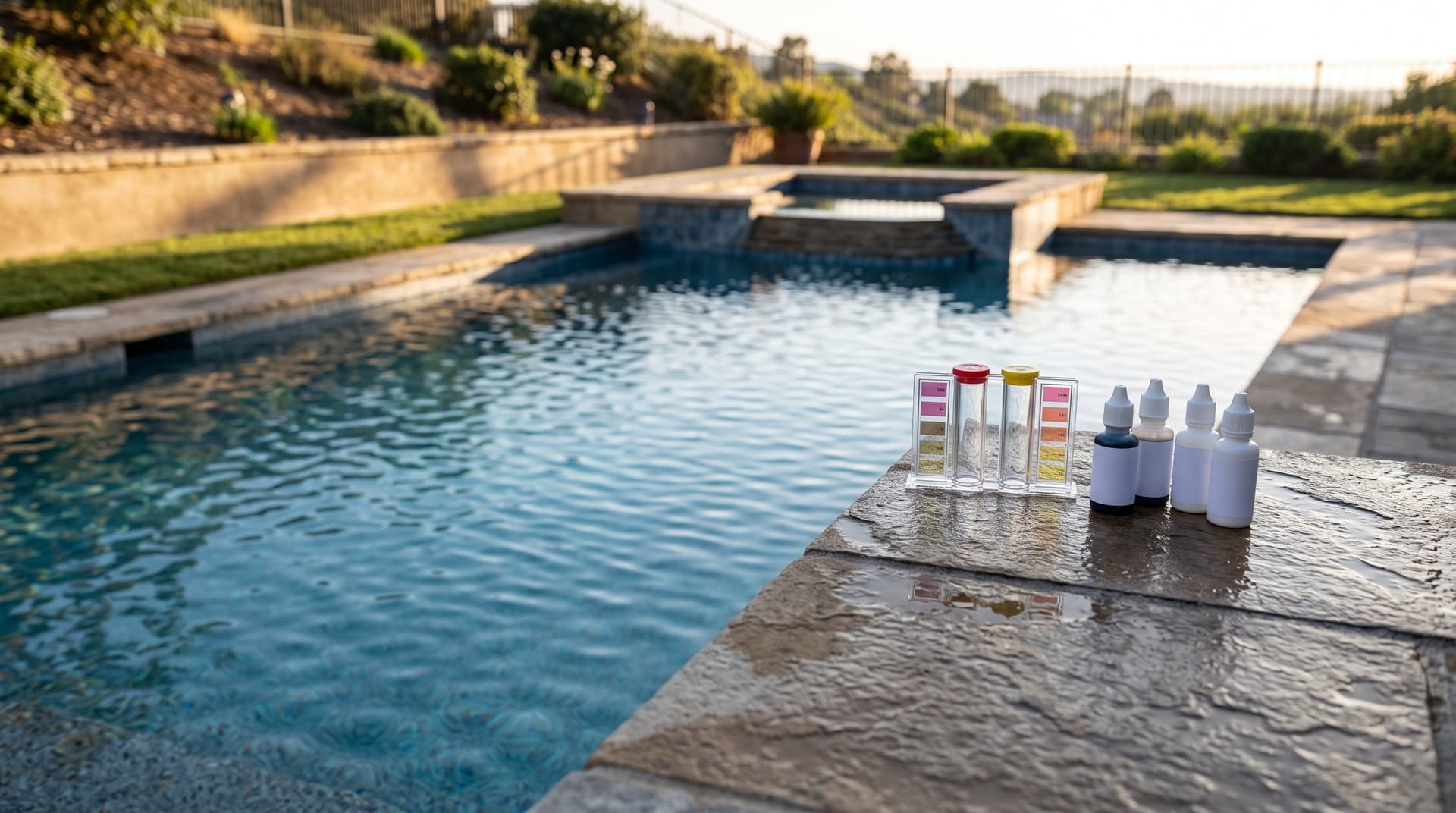
Where to take the sample, which test kit to buy, how often each test needs doing, and the reading errors that send people chasing problems they don't have.

CDC counts about 4,500 emergency room visits a year from pool chemicals. Storage, handling, and what to do when it goes wrong, from the labels and CDC.

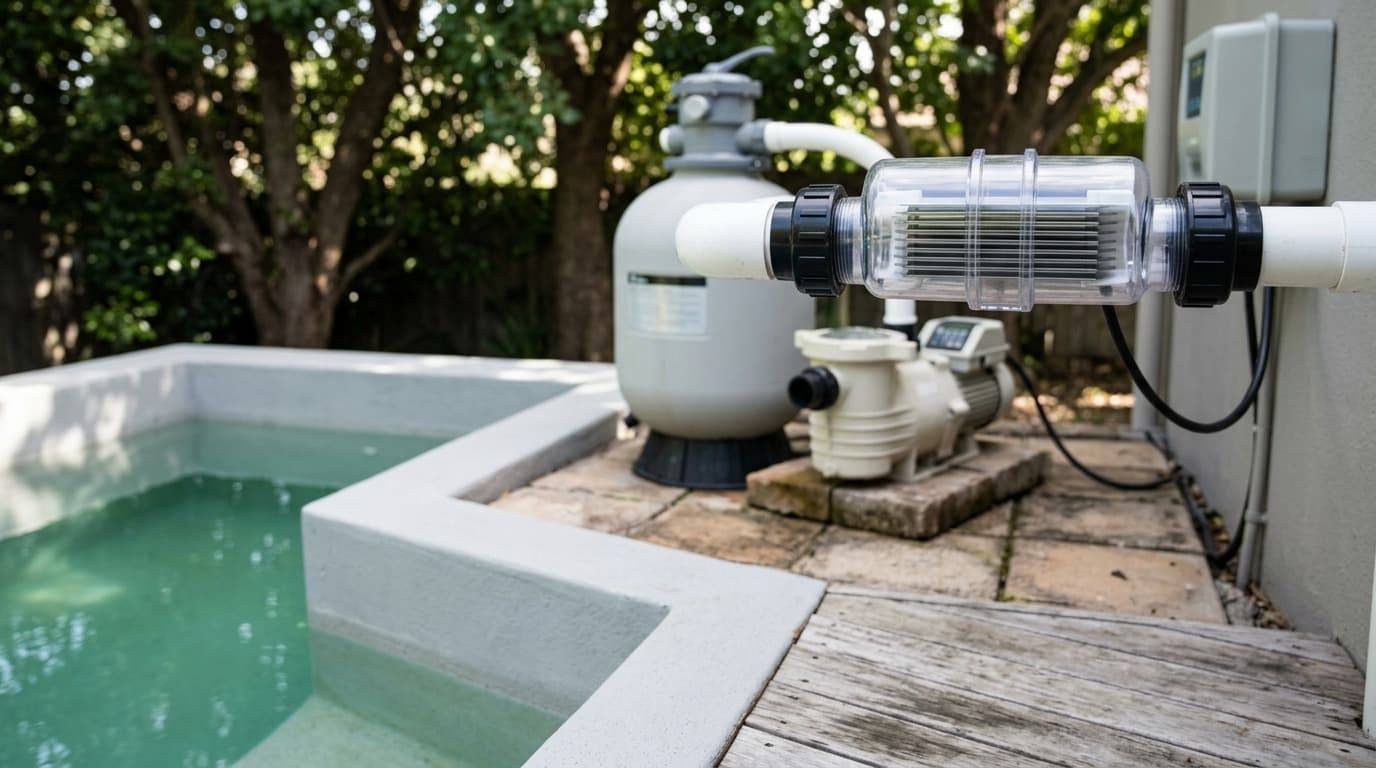
A salt pool is still a chlorine pool. What the cell does, what it costs to run, when to replace it, and the myths worth ignoring.

Real models and real prices. Why a $150 drop kit beats a $20 box of strips, and what each one can and cannot actually measure.